Skip to content
robben island LIVEFerry today
Book ticketsTickets

Cape Town, South Africa

Robben Island: the crossing to Mandela's prison

Book your ferry

From €42.50 · flexible ticket from €65

Robben Island lies in Table Bay, just under 7 km off the coast of Cape Town. For more than three centuries it was a place of banishment, and from 1964 to 1982 it held Nelson Mandela, prisoner 466/64. Today it is a museum and a UNESCO World Heritage Site, and you can only visit it on a guided tour that leaves by ferry from the V&A Waterfront.

The visit takes half a day and the ticket includes everything: the ferry, a bus tour of the island and the walk through the prison, often led by a former political prisoner. If you already know you want to go, the simplest option is the Ferry Ticket & Prison Museum Tour, from €42.50 with the ticket on your phone in minutes.

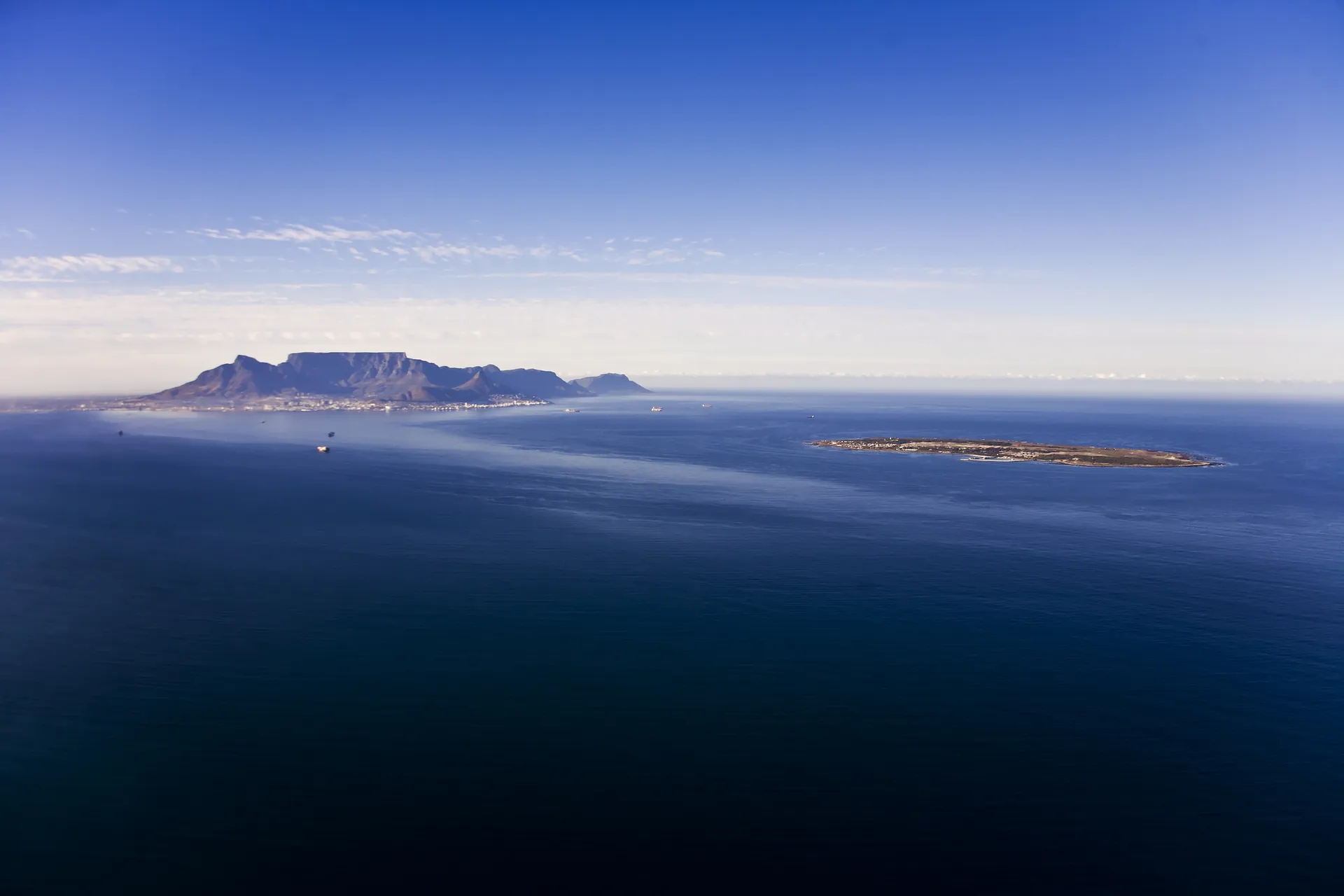
Robben Island seen from the air in the late afternoon light

Robben Island from the air, in the late afternoon light

What is Robben Island

Robben Island is a small, flat island in Table Bay, off Cape Town, in South Africa's Western Cape. It is famous above all as the prison where the apartheid government held its political opponents from 1961 to 1991: Nelson Mandela spent 18 of his 27 years in prison here, in a cell you can still see.

Today the whole island is run by Robben Island Museum, which opened in 1997, and in 1999 it became a UNESCO World Heritage Site. It is not a park you wander through: it is a place of memory, visited on a guided tour, with a small village where some of the people who work on the island live.

Why is it called Robben Island?

The name comes from the old Dutch word for seals, robben, which the first European sailors found on its shores.

Who owns Robben Island?

The island is run by Robben Island Museum, a public entity set up by the Department of Arts and Culture in 1997. The museum manages it as a national estate and a World Heritage Site, and runs conservation, education and research programmes there.

How old is Robben Island?

Geologically, very old. The island is the top of a submerged mountain, linked to Blouberg by an undersea saddle, and it was cut off from the mainland about 12,000 years ago, when the sea rose. Its bedrock was laid down 900 to 800 million years ago: the ripple marks of that ancient seabed can still be seen in the oldest quarry, in the south of the island.

Why is Robben Island a World Heritage Site?

UNESCO listed it in 1999 for two reasons. Its buildings bear witness to a sombre history, as a prison, a hospital for people society wanted out of sight and a military base. Its prison also stands for the triumph of the human spirit, of freedom and of democracy over oppression. The protected property covers 475 hectares, plus a buffer zone of one nautical mile of sea, with more than 700 listed buildings and sites.

Is Robben Island open today?

Tours run every day, weather and demand permitting, from the Nelson Mandela Gateway at the V&A Waterfront. In strong wind or heavy swell the ferry can be cancelled, so check the day before: is the Robben Island ferry running today? shows the forecast for every departure of the week. Our Robben Island weather page shows, month by month, how often strong wind blows during ferry hours. If you book the flexible ferry and prison tour on Tiqets, you can move the date for free up to 24 hours before.

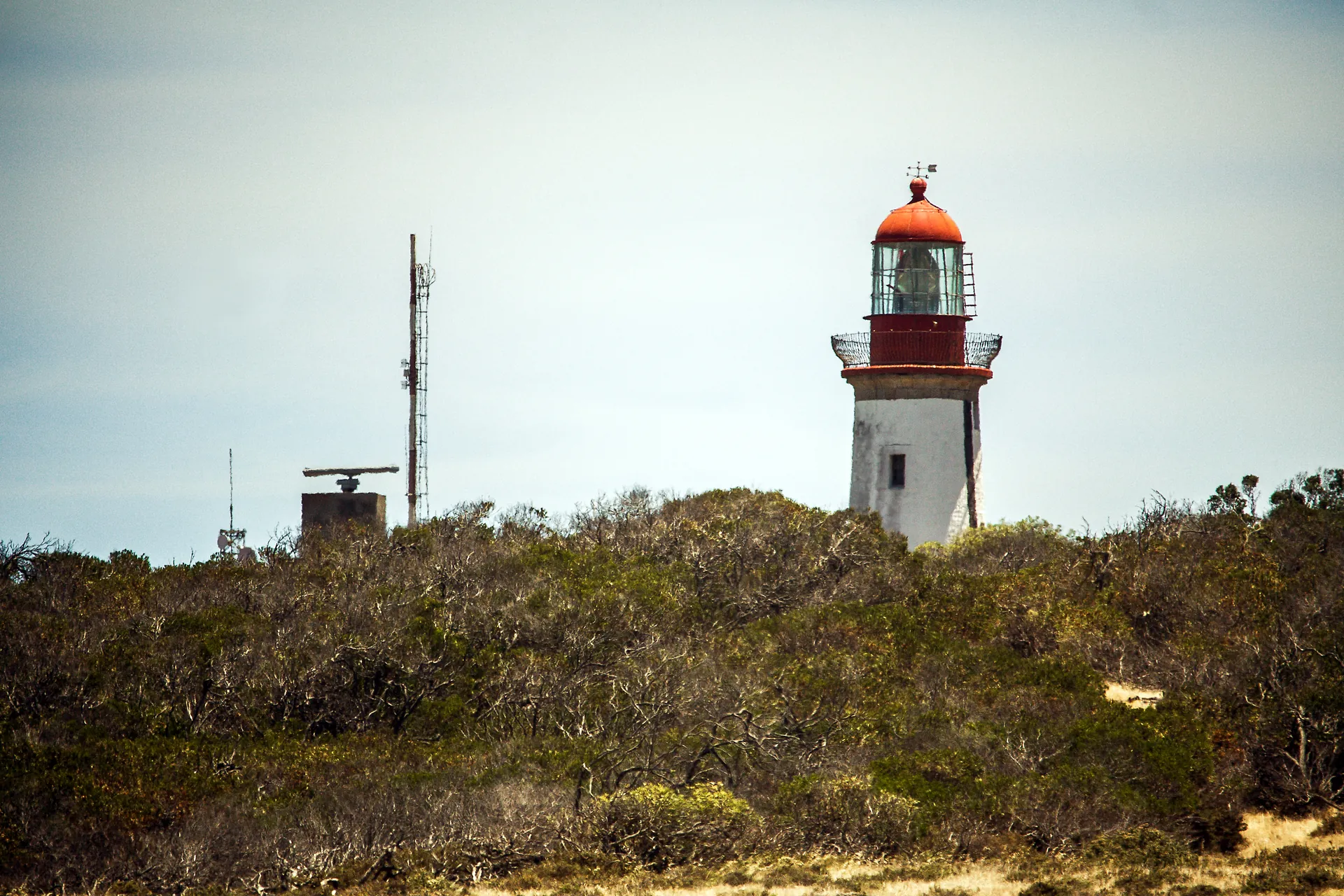
The Minto Hill lighthouse rising above the green scrub of Robben Island
The Minto Hill lighthouse, lit in 1865
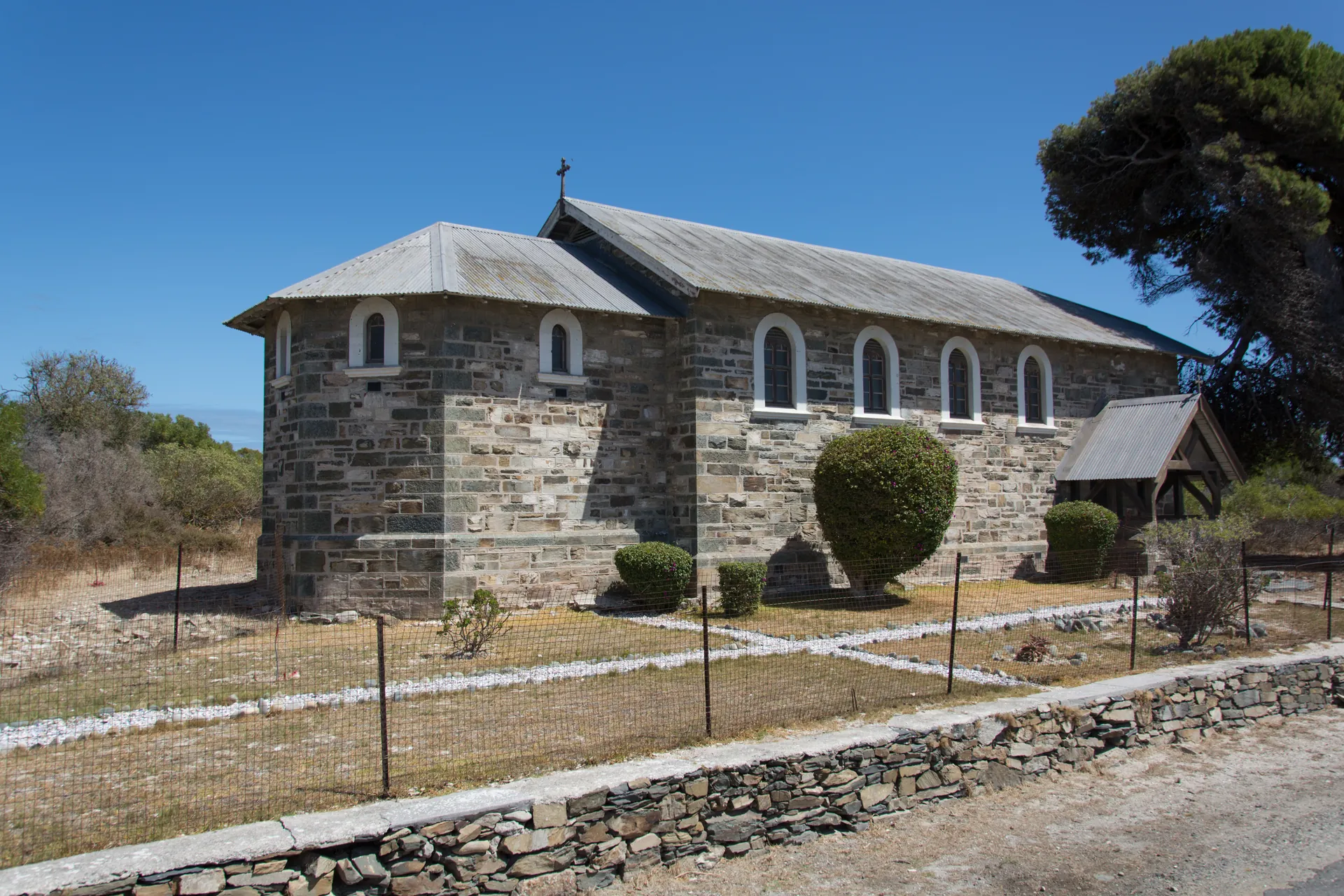
The stone Church of the Good Shepherd, built in 1895 by people with leprosy
The Church of the Good Shepherd, built in 1895 by the island's leprosy patients

Robben Island: history in brief

The first recorded landing was in 1498, when a group of Portuguese sailors sheltered in a cave for a few days. The first political prisoners arrived on 10 July 1658: Autshumato, a Khoikhoi leader, and two companions, sent there by Jan van Riebeeck. From then on the Dutch, and later the British, used the island to keep away the people Cape Town did not want: political exiles, convicts and, from 1845, people with leprosy, who lived here until the colony closed in 1931.

Between 1931 and 1960 it was not a prison at all, but a military base: from 1939 to 1945 its guns guarded the entrance to Table Bay, and the airstrip in the middle of the island was built in 1940-42.

In 1961 the apartheid government opened a maximum security prison for political prisoners. Nelson Mandela arrived on 13 June 1964, after the Rivonia Trial, and stayed until 31 March 1982, when he was moved to Pollsmoor Prison. Robert Sobukwe, Walter Sisulu, Ahmed Kathrada and two future presidents, Jacob Zuma and Kgalema Motlanthe, were also held here, together with Namibian fighters of SWAPO such as their leader Herman Toivo ya Toivo, who shared B Section with Mandela.

Did anyone escape from Robben Island?

A few did, long before apartheid. In November 1659 Autshumato stole the island's boat and got away; he was believed drowned, but a year later he was back in Cape Town working as an interpreter. The Khoikhoi leader David Stuurman escaped four months after arriving, was recaptured ten years later and escaped again in 1820. The Xhosa leader Makhanda, sent to the island in 1819, tried within a year.

The last political prisoners left in 1991 and the prison closed in 1996. The museum opened in 1997, and in 1999 UNESCO listed the island as a World Heritage Site. Read the full history of Robben Island, from the first sailors to today.

For more than three centuries, Cape Town sent to this island the people it did not want.

Visit Robben Island stop by stop

There is no way to explore Robben Island on your own: every visit follows the same guided route, by ferry, by bus and on foot. Our guide explains how the Robben Island tour works, hour by hour.

  1. Before you board

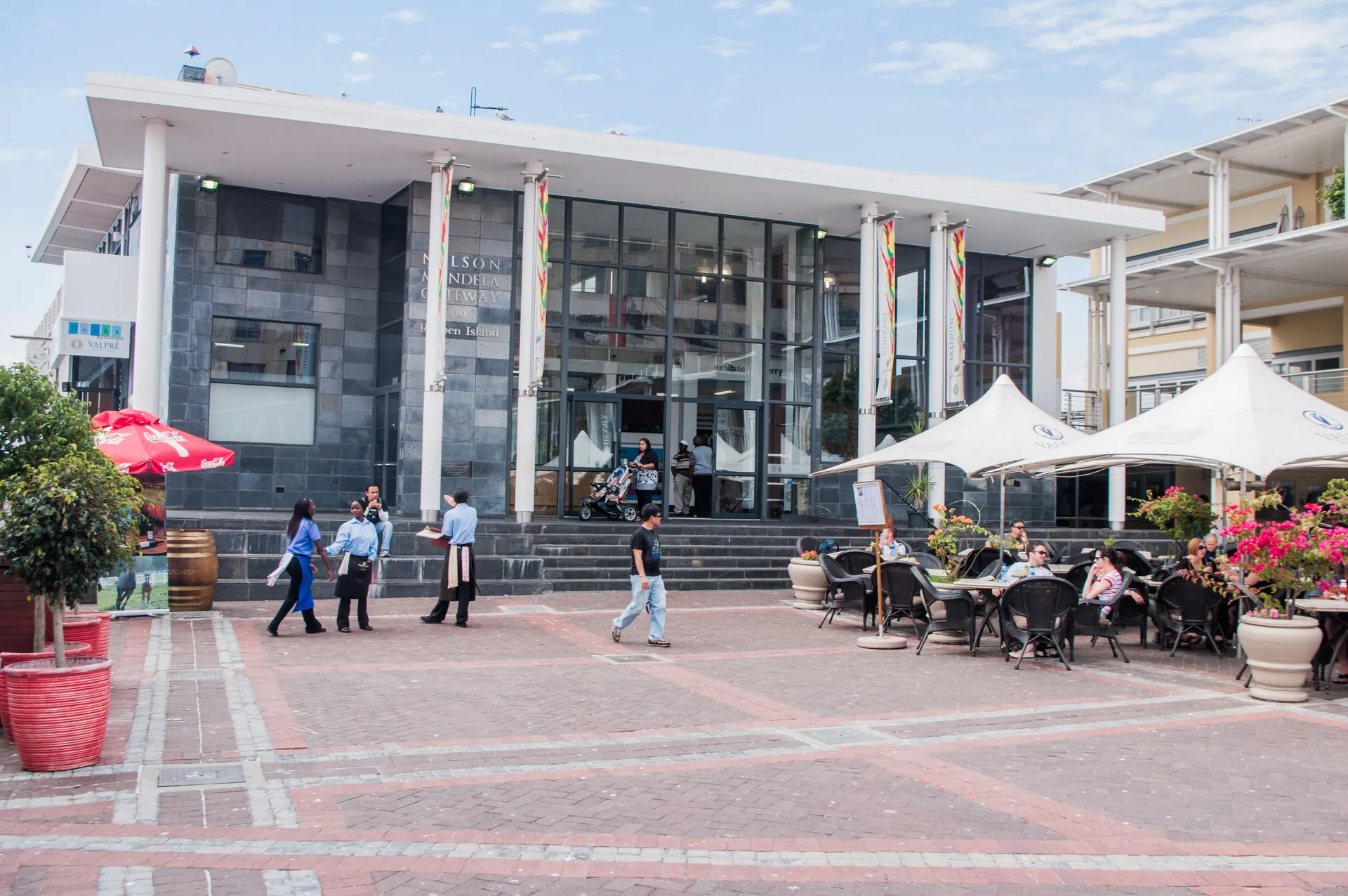
    Nelson Mandela Gateway

    Check in at least 30 minutes before departure. The free exhibition on Mandela's life sets the scene while you wait.

    Visitors walking past the Nelson Mandela Gateway at the V&A Waterfront
  2. 30 to 60 minutes

    Across Table Bay

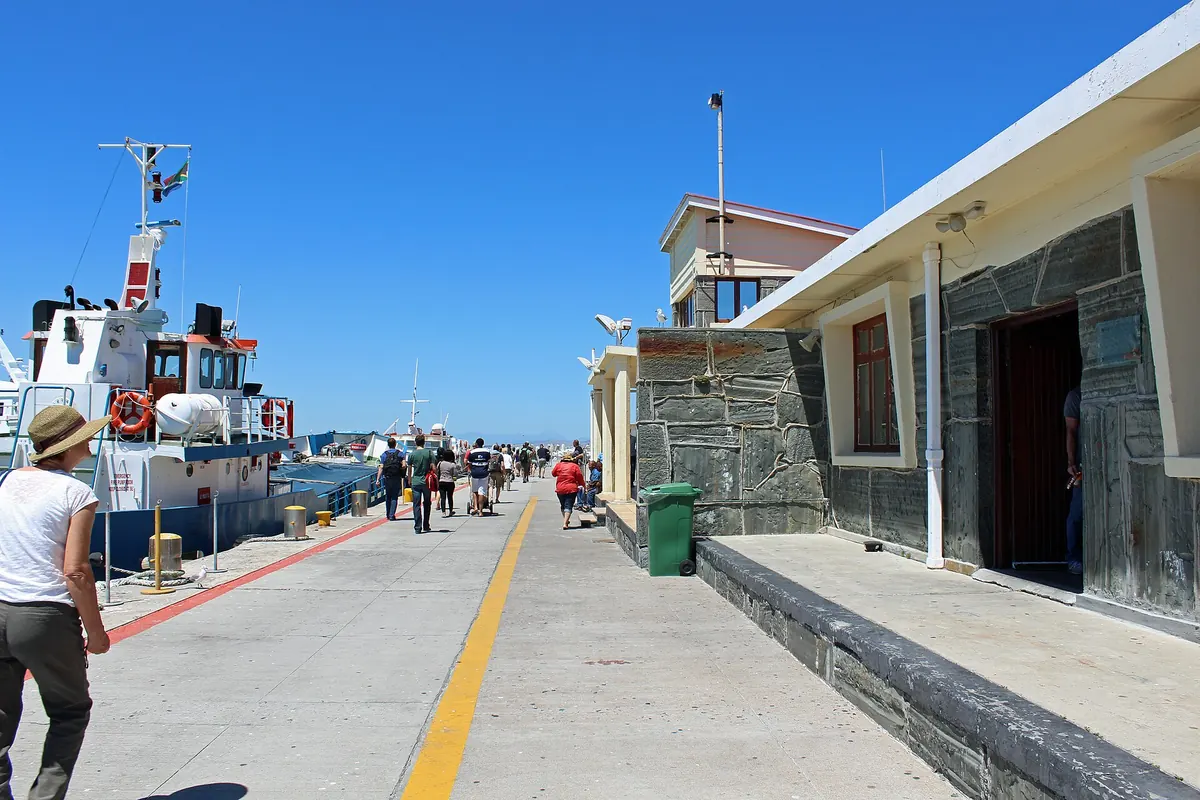
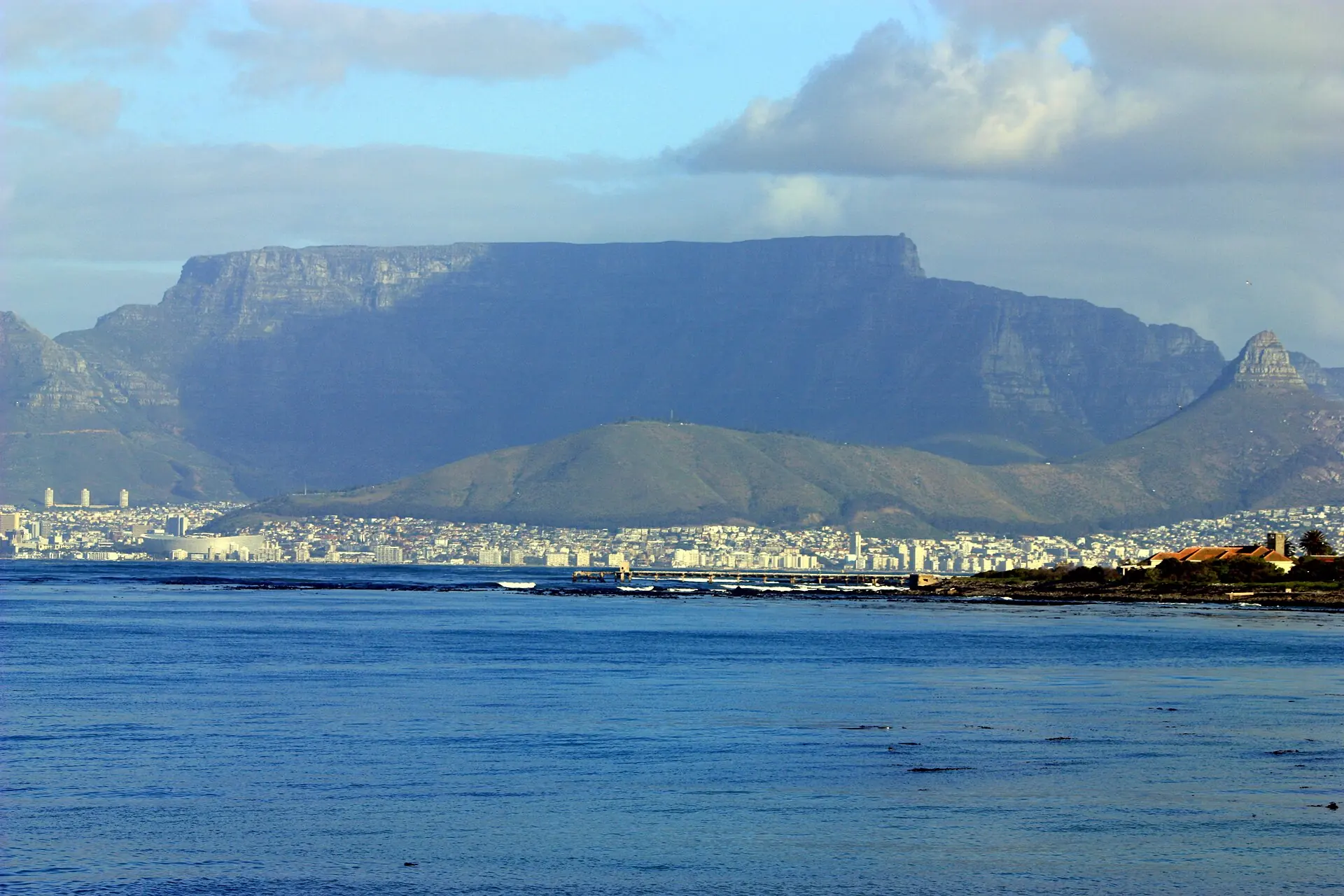
    The ferry lands at Murray's Bay Harbour. On the way back, Table Mountain fills the whole horizon.

    The ferry moored at Murray's Bay Harbour as visitors walk to the buses
  3. By bus, with a guide

    Around the island

    The leper graveyard, the Lime Quarry, Robert Sobukwe's house, the Bluestone Quarry and the wartime bunkers.

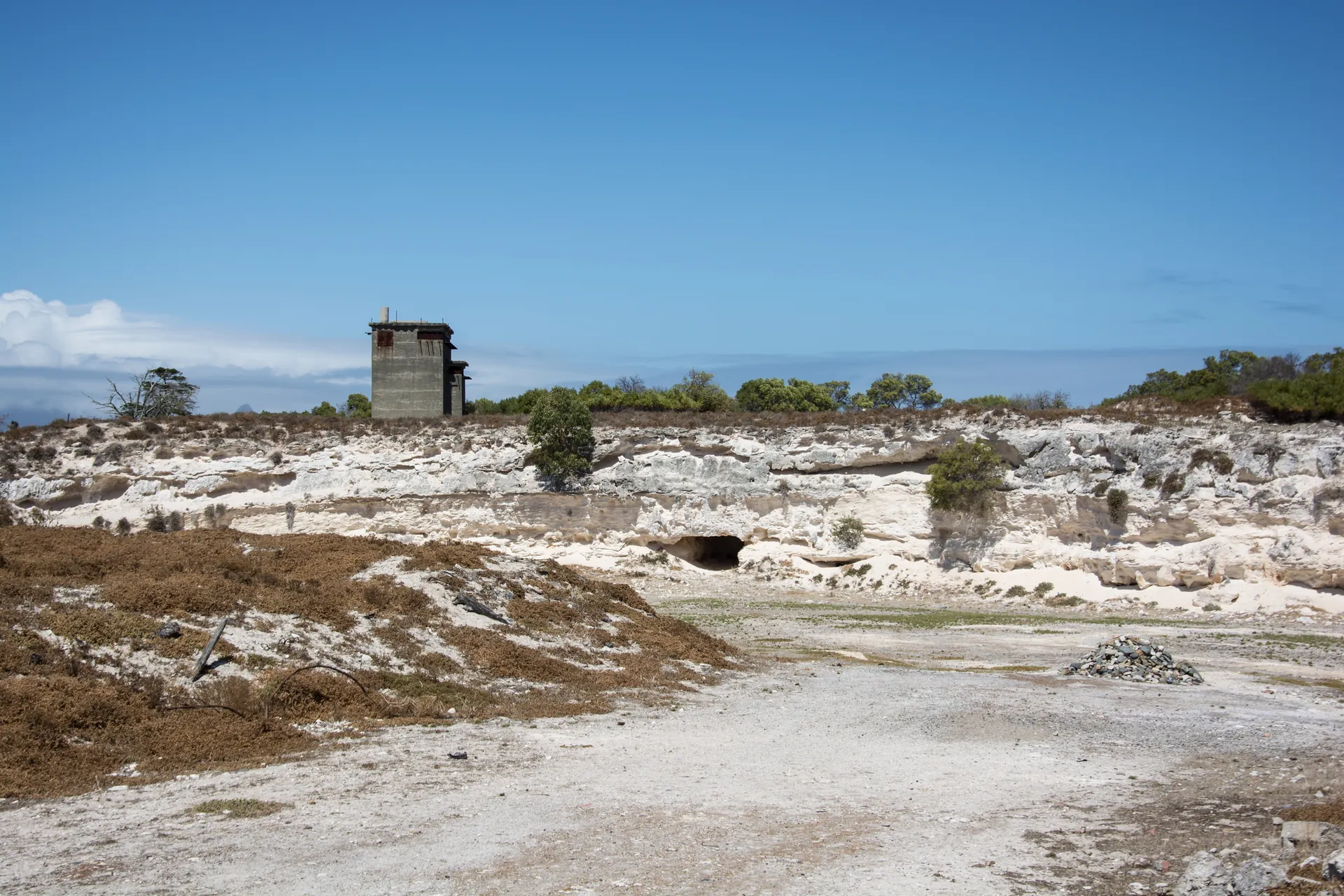
    The white floor of the Lime Quarry on Robben Island, with a guard post behind
  4. The heart of the visit

    The prison and Mandela's cell

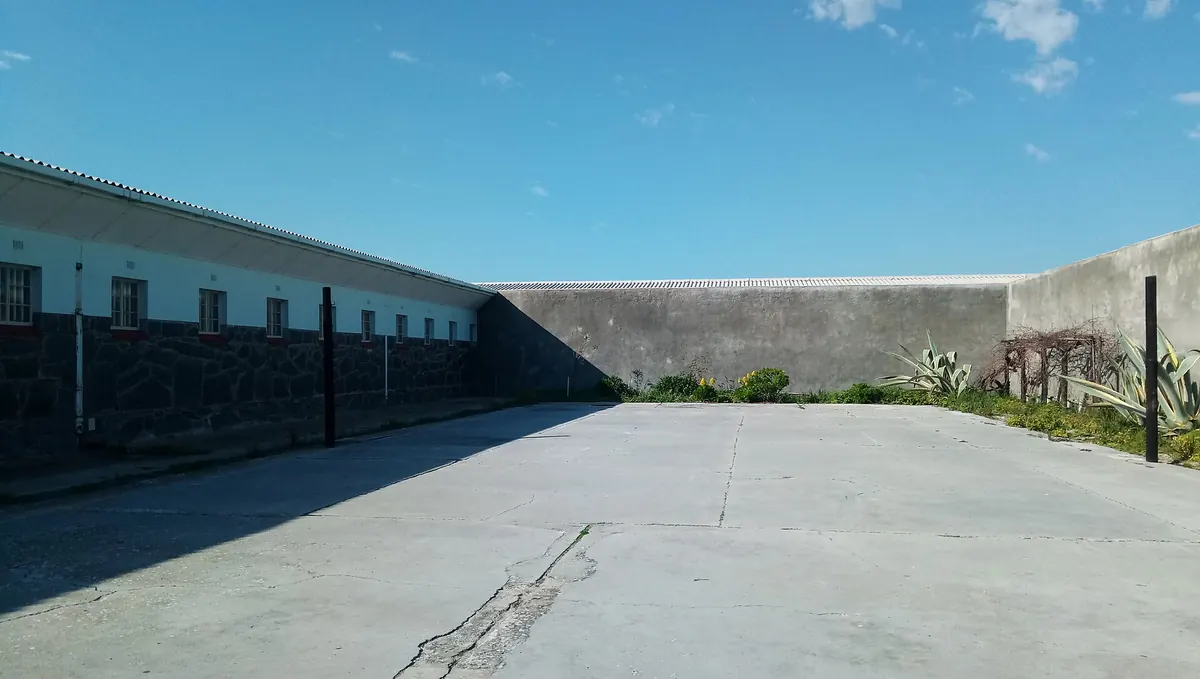
    Often guided by a former prisoner, and ending in B Section in front of Mandela's cell.

    The B Section courtyard of the Maximum Security Prison

Opening hours and ferry times

Tours run every day, weather and demand permitting. The whole visit lasts about 3.5 to 4 hours, ferries included. Boats, crossing times and cancellations are in our guide to the Robben Island ferry.

Ferry departures from the Nelson Mandela Gateway, weather permitting
SeasonDepartures
1 September to 30 April09:00, 11:00, 13:00, 15:00
1 May to 31 August09:00, 11:00, 13:00

Next ferry

09:00

Departures at 09:00, 11:00, 13:00 and 15:00 from September to April

Departures

  1. 09:00
  2. 11:00
  3. 13:00
  4. 15:00

From May to August: 09:00, 11:00 and 13:00 · weather permitting

Table Mountain rising behind Cape Town with Robben Island low in the bay

Where is Robben Island

Table Mountain and Cape Town, with Robben Island low in the bay

The island lies in Table Bay, just under 7 km off Bloubergstrand and about 11 km from Cape Town. It is flat and low, about 3.3 km long and 1.9 km wide, and its highest point, Minto's Hill, is only 24 m above the sea. The ferries do not leave from the nearest beach but from the city: the departure point is the Nelson Mandela Gateway, in the Clock Tower Precinct of the V&A Waterfront.

Robben IslandV&A Waterfront30 to 60 min by ferryBloubergstrand
Table Bay, with the ferry route from the V&A Waterfront to Murray's Bay Harbour
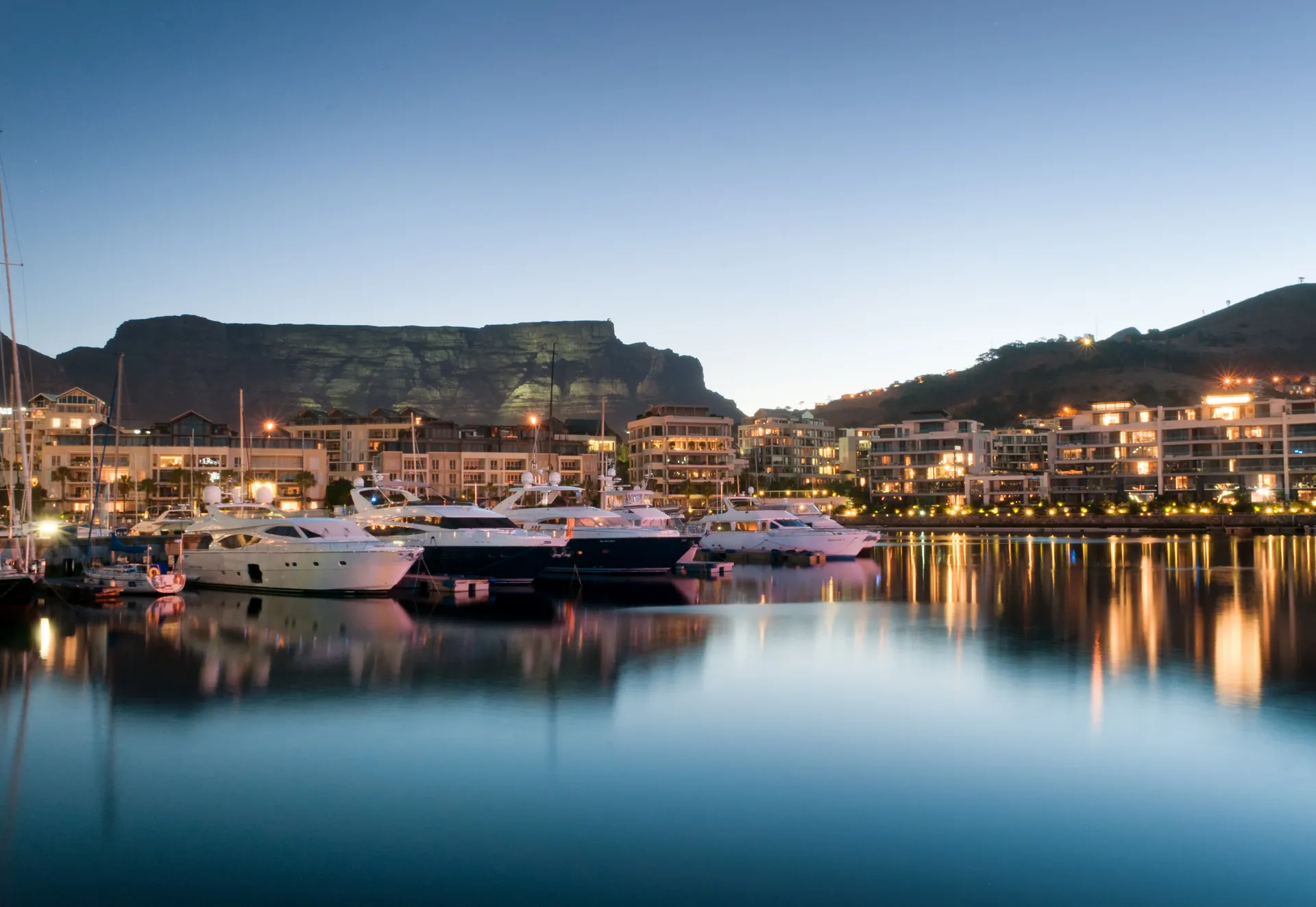
The V&A Waterfront marina lit up at dusk below Table Mountain

How to get to Robben Island

The V&A Waterfront at dusk: every ferry to the island leaves from here

Getting to the island means getting to the Nelson Mandela Gateway, at the Clock Tower end of the V&A Waterfront. Plan to be there 30 minutes before your ferry.

On foot

If you are staying at the Waterfront, in De Waterkant or in Green Point, you can walk. Follow the signs to the Clock Tower: the Gateway is right next to it.

By MyCiTi bus

Route 104 connects Civic Centre station in the city centre and Sea Point with the Waterfront. Get off at the Waterfront Silo stop and walk to the Clock Tower: the old Clocktower stop no longer exists. You pay with a myconnect card, sold at station kiosks.

By car

The closest car parks to the Gateway are the Clock Tower and Silo parking garages. Each garage at the Waterfront sets its own prices, which are shown at the entrance.

By taxi or Uber

The Waterfront has dedicated drop-off and pick-up zones for meter taxis and ride-hailing cars. Ask the driver for the Clock Tower.

From the airport

Cape Town International Airport is about 20 km from the Waterfront: 25 to 40 minutes by car, depending on traffic. Do not plan to land and catch a ferry on the same morning.

Every option, step by step, is in our guide on how to get to Robben Island.

Where to eat near Robben Island

There is no restaurant on the island, only a small shop selling snacks and drinks. You can bring your own food, but not alcohol, so eat before you board or plan lunch after the tour.

At the Nelson Mandela Gateway

The departure building has a museum shop and somewhere to eat, handy if you arrive early for your ferry.

Time Out Market Cape Town

In the Old Power Station on Dock Road, a short walk from the Gateway: 13 kitchens, bars and long tables on the quay. It takes cards only, no cash.

The Watershed

Next door to the Time Out Market, a covered market with more than 150 designers, makers and food stalls.

Nelson Mandela GatewayMyCiTi Waterfront SiloTime Out Market
The Clock Tower precinct of the V&A Waterfront, where the ferries leave

Where to stay near Robben Island

Since every tour starts at the V&A Waterfront, the best base is close to it. Hotels and distances are in our guide to hotels near Robben Island.

V&A Waterfront

You walk to the ferry. Hotels look over the harbour and Table Mountain, and the aquarium, shops and restaurants are on your doorstep.

De Waterkant and Green Point

Cobbled streets, colourful cottages, cafés and galleries, a short walk from the Waterfront.

Sea Point

The Atlantic promenade, sunsets and cafés, with MyCiTi route 104 running straight to the Waterfront.

City Bowl

The city centre and Gardens, at the foot of Table Mountain: bars and restaurants on every corner, and a quieter side for longer stays.

V&A WaterfrontSea PointGreen PointCity CentreGardens
Neighbourhoods within 3 km of the Nelson Mandela Gateway
  • 18 yearsMandela's time on the island
  • 466/64His prison number
  • 70+Shipwrecks around the island
  • 132Species of birds

Robben Island in numbers

Size

About 3.3 km from north to south and 1.9 km across. UNESCO's protected area covers 475 hectares.

Highest point

Minto's Hill, 24 m above sea level, where the lighthouse stands.

The prison

Four general sections with cells for 52 prisoners each, and an isolation block of about 90 single cells, where the leaders were held.

Shipwrecks

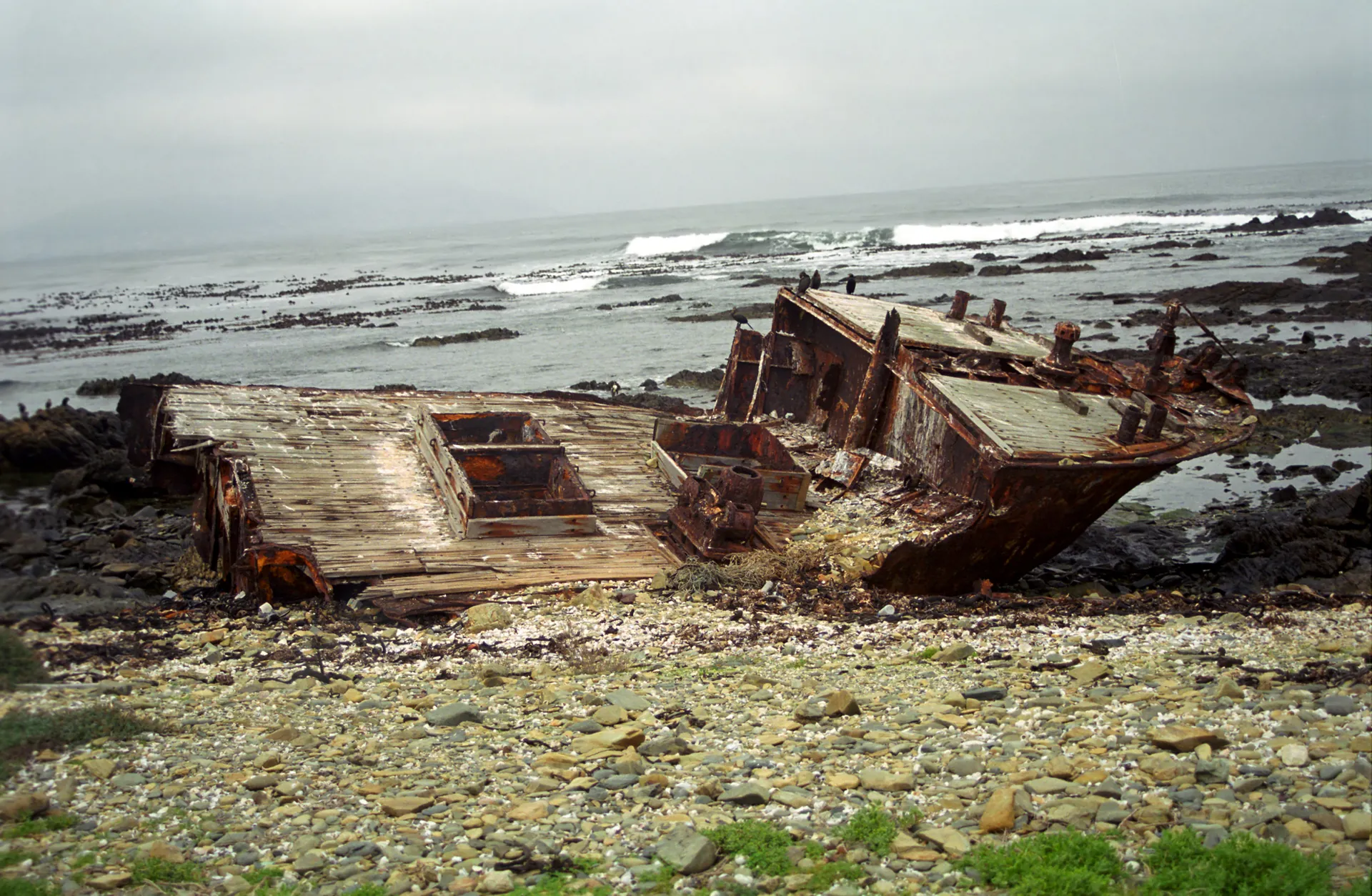
More than 70 documented shipwrecks lie around the island, most of them on the rocky western side. The first on record is the Yeanger of Horn, in 1611; a trawler and a salvage vessel wrecked in 1998 are still visible from the shore.

Wildlife

About 132 species of birds and 23 of mammals, including African penguins, bontebok, springbok and eland.

3.3 km1.9 kmMinto's Hill, 24 m
The island to scale, with Minto's Hill
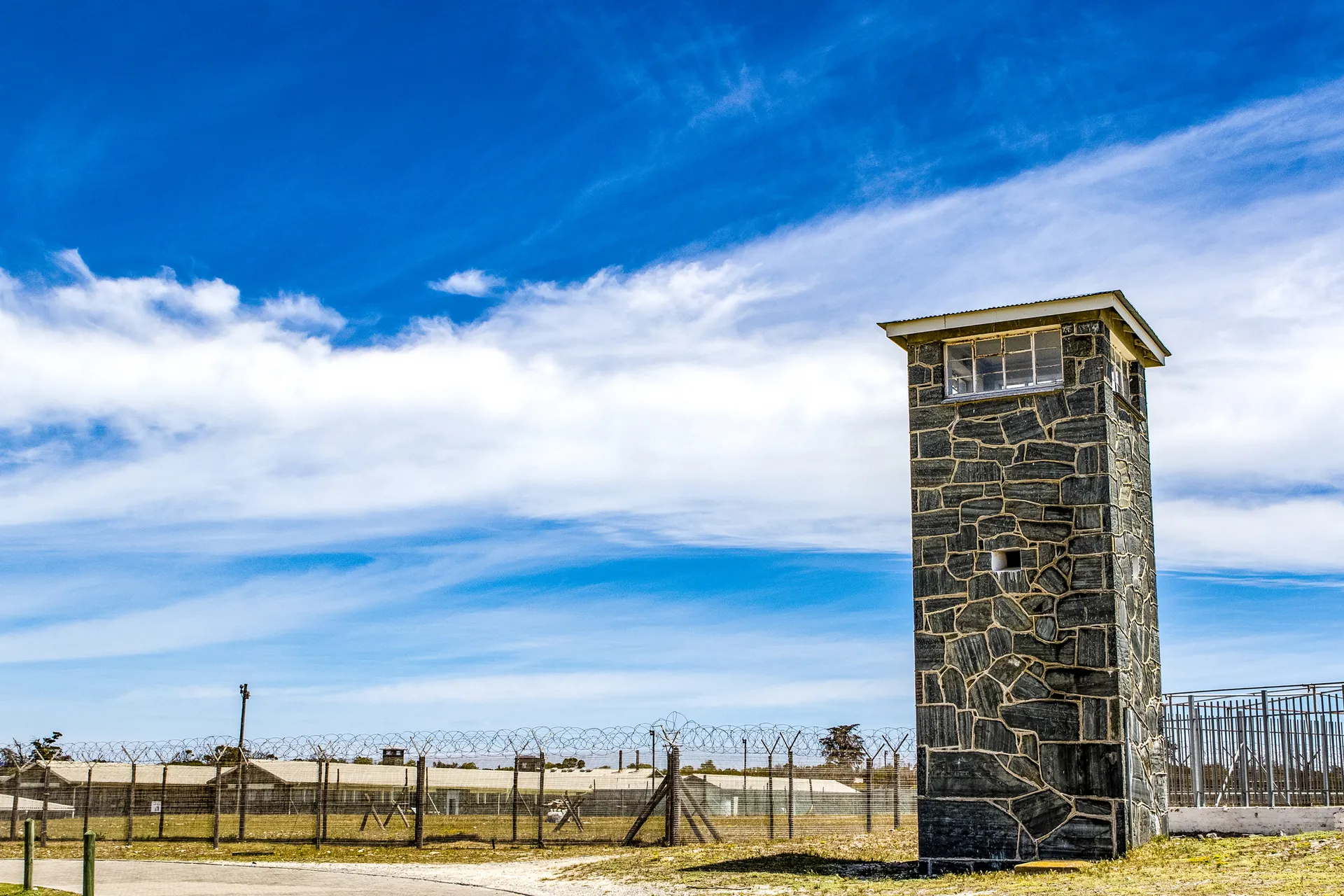
A stone guard tower beside the prison fence on Robben Island

What to see on Robben Island

A stone guard tower beside the prison fence

The standard tour covers these places by bus and on foot, and ends inside the prison. The numbers match the map.

Murray's Bay Harbour

Where the ferry lands, on the east coast. The high wall that hides Table Bay from view was built by prisoners, and next to it stand the 1960s buildings where families and lawyers came to visit.

Penguins and wildlife

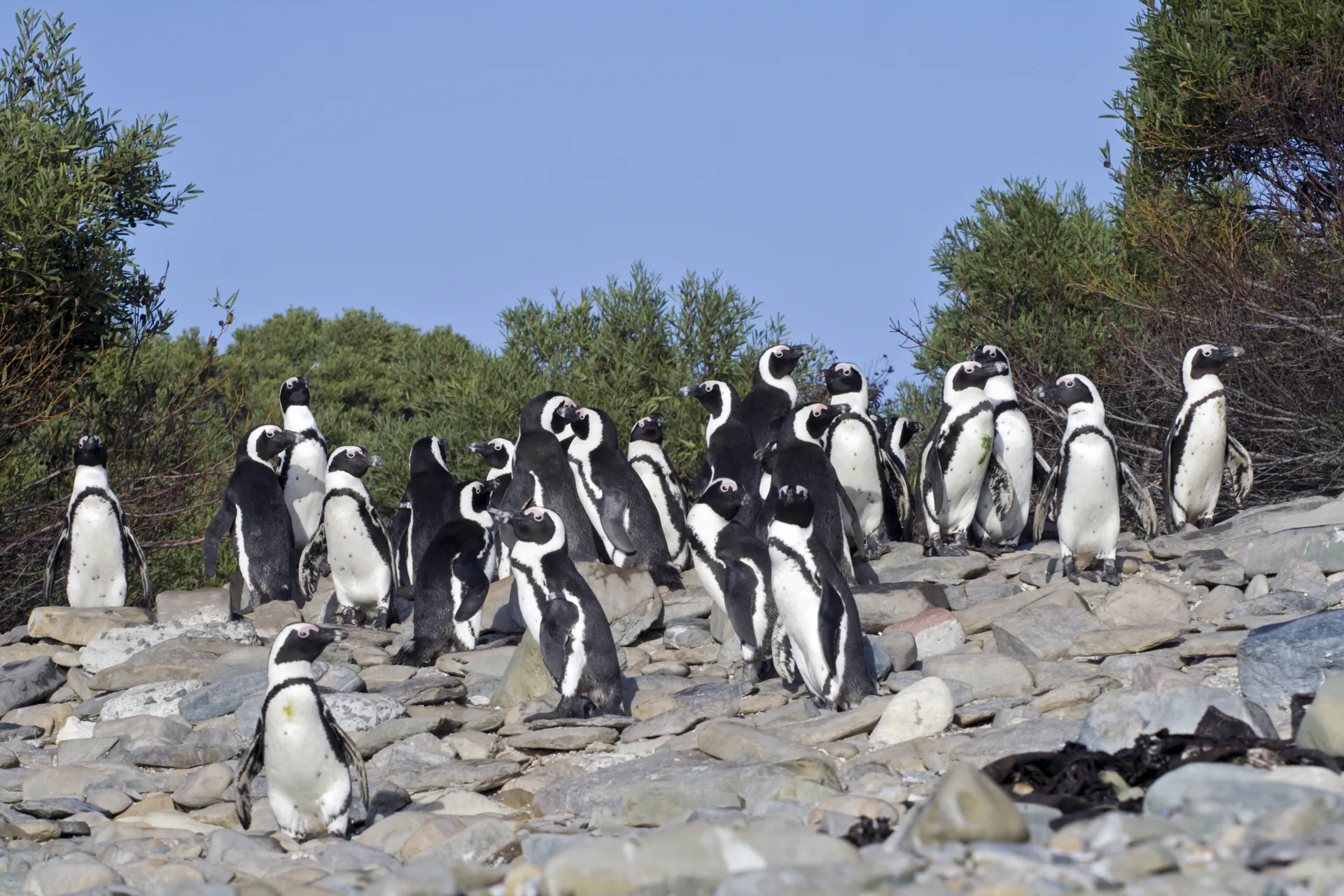
African penguins nest near the harbour, where the museum has a boardwalk. The island is home to about 132 species of birds, and from the ferry you may spot Cape fur seals and dolphins. More in our page on Robben Island penguins and wildlife.

The Maximum Security Prison

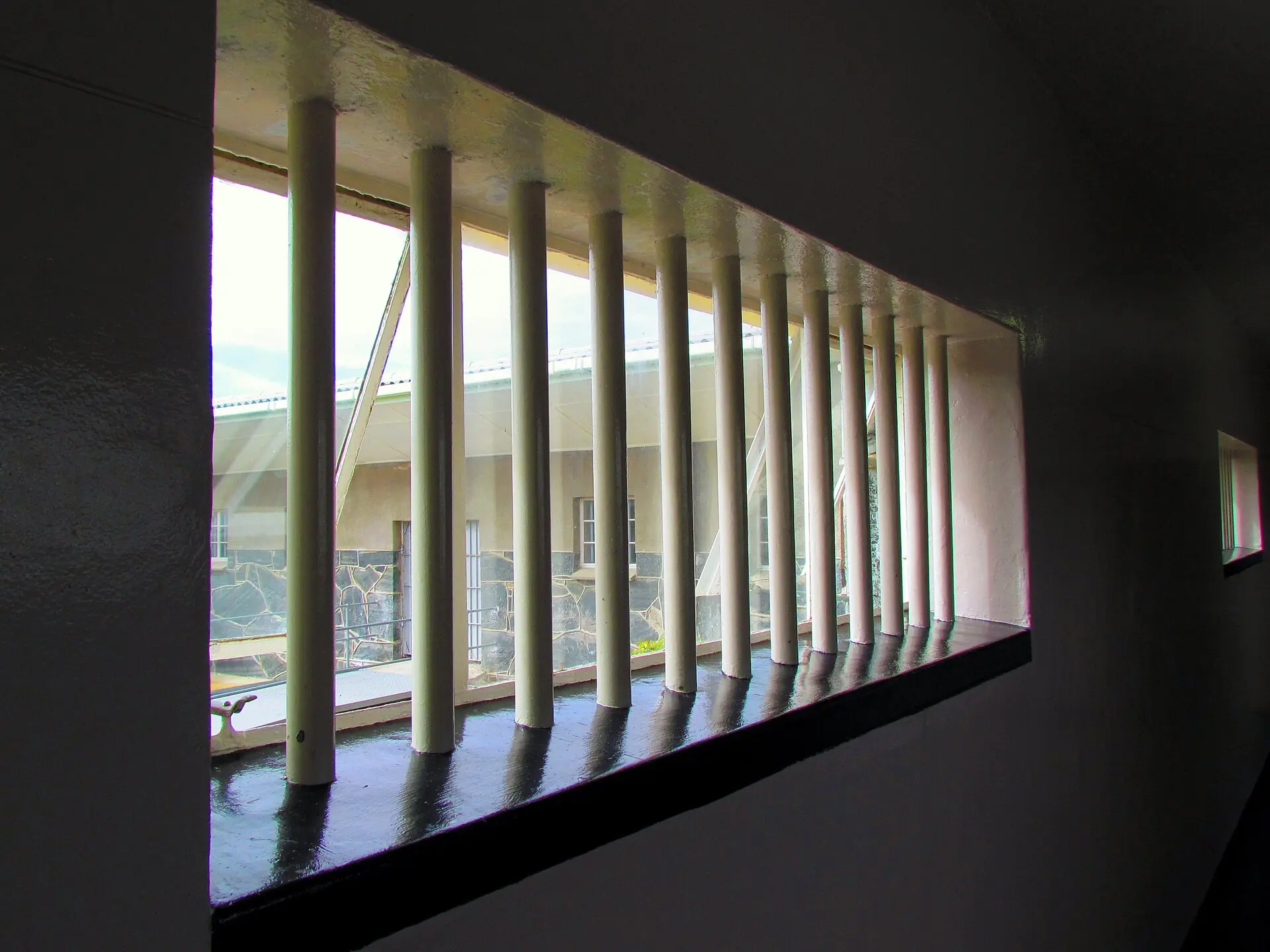
Built in the early 1960s by prisoners themselves, with stone from the island's quarries. From the mid-1970s the isolation block was split into three sections: B Section, the east wing, held the leaders of the liberation movements. The first draft of Mandela's Long Walk to Freedom was hidden in its garden. Read the full story of Robben Island prison.

Nelson Mandela's cell

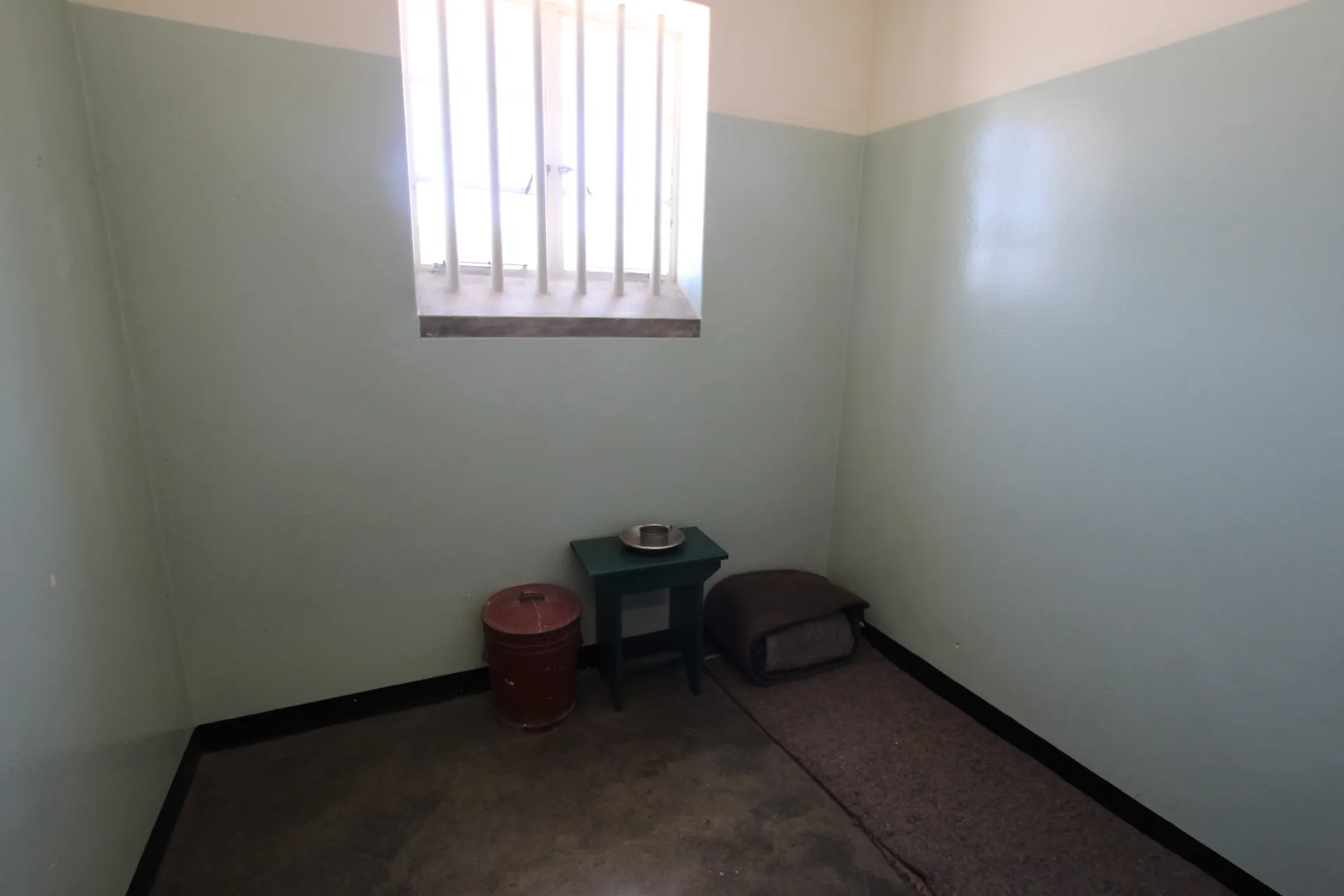
The visit ends here, in B Section: a small cell with a bedroll, a low table and a bucket. Mandela slept on a mat on the floor, like every prisoner here until 1979. More in our page on Nelson Mandela on Robben Island.

The leper graveyard

The graves of the people with leprosy who were sent to the island between 1845 and 1931. The graveyard stretches from the church to the walls of the prison.

The Lime Quarry

Political prisoners dug lime here, mostly to resurface the island's roads. At the entrance stands a pile of stones, the isisivane, laid by former prisoners led by Mandela when they returned in 1995.

Robert Sobukwe House

The leader of the Pan Africanist Congress was kept here in isolation from 1963 to 1969, away from the prison. He was not allowed to speak to anyone, not even the guards.

The Church of the Good Shepherd

Designed by Herbert Baker and built in 1895 by the men with leprosy who lived on the island. It is the only building left from that period.

The village

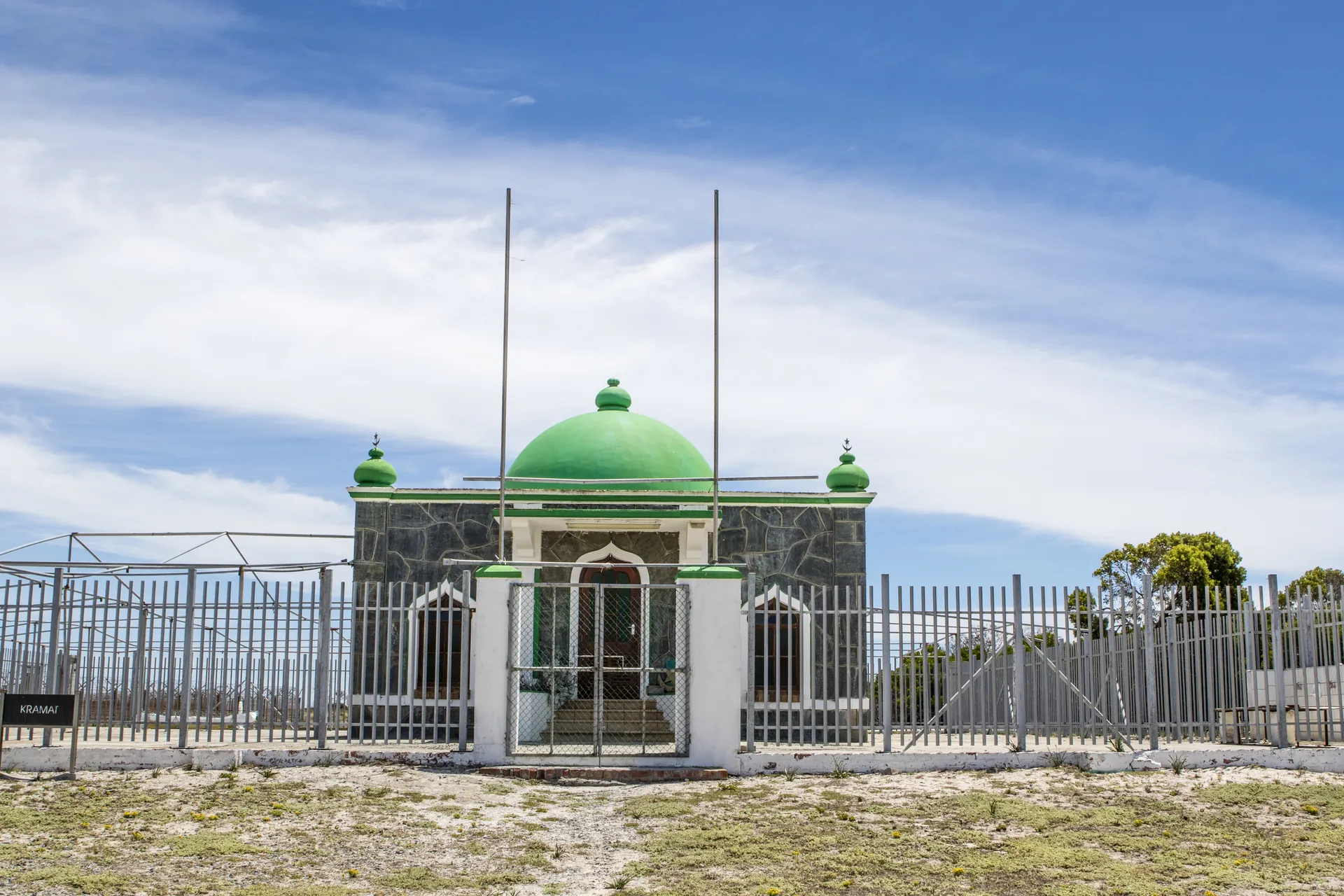
Where the island's staff lived, and still live: a guest house from 1895, a school from 1894 and a cemetery for the Irish who settled here. Next to the Church of the Good Shepherd stands the Garrison Church, built in the Cape Gothic style in 1841 with prison labour. West of the prison stands the Moturu Kramat, a Muslim shrine to the Prince of Madura, who died on the island in 1754.

Minto Hill lighthouse

Lit in 1865 on the highest point of the island and still working: it flashes every seven seconds, and its light reaches 24 nautical miles.

123456789
  1. Murray's Bay Harbour
  2. Penguin Walk
  3. Maximum Security Prison and Mandela's cell
  4. Leper graveyard
  5. Lime Quarry
  6. Robert Sobukwe House
  7. Church of the Good Shepherd
  8. The village
  9. Minto Hill lighthouse

Robben Island in pictures

Aerial view of Robben Island in Table Bay, with Table Mountain and Cape Town behind
The island from the air, with Table Mountain behind
Table Mountain and Cape Town seen across the waves from the shore of Robben Island
Table Mountain from the shore of the island
The Moturu Kramat, the green-domed Muslim shrine on Robben Island
The Moturu Kramat, a Muslim shrine
The rusted wreck of a ship on the rocky shore of Robben Island
A wreck on the rocky shore
A colony of African penguins among the rocks on Robben Island
African penguins on Robben Island
Nelson Mandela's cell: a bedroll, a small table and a bucket on a bare floor
Nelson Mandela's cell

Robben Island tickets

Every ticket includes the return ferry, the bus tour and the prison visit. On Tiqets the Ferry Ticket & Prison Museum Tour starts at €42.50: the ticket arrives on your phone within minutes and you pay by card in your own currency. If your dates might change, the flexible version at €65 can be cancelled or moved for free up to 24 hours before.
The Walking Tour

Besides the standard tour, the museum runs a Walking Tour on Fridays, Saturdays and Sundays, from 09:00 to about 14:30: about 5 km on foot, for people who are fit. It is sold only by the museum, at a higher price than the standard tour. On the island and at the Gateway you can pay only in rand or by card, and tours are in English only.

Staying away from the Waterfront? The guided tour with return transfer picks you up at your accommodation and takes you back afterwards.

Full-day tours with Table Mountain, private tours and every price are on the Robben Island tickets page.

Robben Island: FAQ

When did Robben Island prison close?

The last political prisoners left in May 1991. The prison for ordinary criminals closed in 1996, and the island became a museum in 1997.

Who owns Robben Island?

It is run by Robben Island Museum, a public entity set up by South Africa's Department of Arts and Culture in 1997, which manages the island as a national estate and a World Heritage Site.

Is there a walking tour of Robben Island?

Yes. On Fridays, Saturdays and Sundays the museum runs a Walking Tour from 09:00 to about 14:30, about 5 km on foot, for fit visitors. It costs more than twice the standard visit; the museum's prices are on our tickets page.

What is Robben Island famous for?

It is famous as the prison where the apartheid government held its political opponents from 1961 to 1991. Nelson Mandela spent 18 of his 27 years in prison there, from 1964 to 1982.

How big is Robben Island?

About 3.3 km from north to south and 1.9 km across. Its highest point, Minto's Hill, is only 24 m above the sea.

Does anyone live on Robben Island?

A small community lives in the island's village, mostly people who work there. There is no official figure for the number of residents.

Is there food on Robben Island?

There is no restaurant, only a small shop with snacks and drinks. You can bring your own food, but alcohol is not allowed.

What should you wear to Robben Island?

Comfortable shoes, a hat, sunscreen and a windproof layer for the crossing: the island is windier than Cape Town. Bring a passport, ID card or driving licence, which you need to board.

How much does it cost to visit Robben Island?

On Tiqets the ferry and prison tour starts at €42.50 per adult: return ferry, island bus tour and prison visit, with the ticket on your phone in minutes. The flexible version costs €65 and can be cancelled or moved for free up to 24 hours before. All the options are on our Robben Island tickets page.

How do you book Robben Island tickets?

Online, before you go: seats are limited, especially from September to April. On Tiqets you can book the Ferry Ticket & Prison Museum Tour in a few clicks: the ticket arrives on your phone within minutes and you pay by card in your own currency.

Can you cancel or change a Robben Island ticket?

The standard ferry and prison tour on Tiqets, from €42.50, is non-refundable and the date cannot be changed. The flexible ticket, from €65, can be cancelled or changed for free up to 24 hours before. With the museum's own ticket you get a refund only if the museum cancels the trip, and a date change needs 48 hours' notice and a fee.
How long is the Robben Island tour?

About 3.5 to 4 hours from departure to return, including two ferry crossings of 30 to 60 minutes each.

Where does the Robben Island ferry leave from?

From the Nelson Mandela Gateway in the Clock Tower Precinct of the V&A Waterfront, Cape Town. Check in at least 30 minutes before departure: the gates close 10 minutes before the ferry leaves.

Are the guides former political prisoners?

The prison part of the visit is often led by a former political prisoner. Not every tour can be: the men who were held here are now elderly, and some groups are guided by museum staff.

Is Robben Island accessible for wheelchair users?

Only in part. Visitors who use wheelchairs report steep ramps and uneven ground in parts of the prison, and every ferry is different. The museum asks visitors with a disability to call before their visit, on +27 21 413 4200.

Is Robben Island worth visiting?

Yes, if you want to understand modern South Africa. In half a day you see the place where Mandela spent 18 years, and the story is told where it happened, often by former prisoners.

Book your crossing, the island does the rest

Check dates on Tiqets