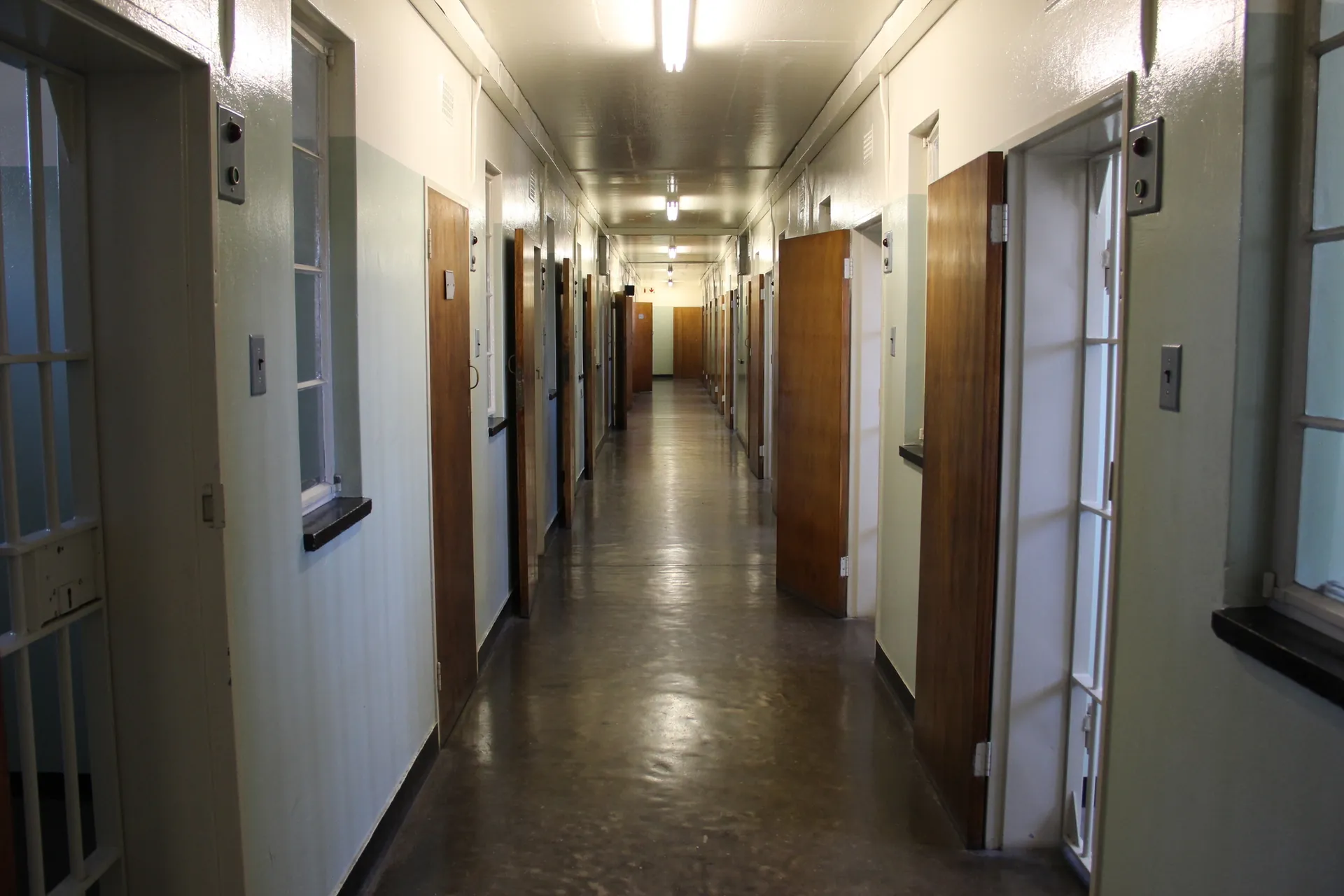
Robben Island Prison: where apartheid held its political prisoners
 By Andrea Semonella
Updated on 18 min read
By Andrea Semonella
Updated on 18 min read
In short
Robben Island prison is the Maximum Security Prison where South Africa's apartheid government held its political prisoners from the 1960s to May 1991, Nelson Mandela among them for 18 years. Prisoners built it with stone from the island's quarries. It closed for good in 1996 and today you can see it only on the guided tour of the Robben Island Museum, which ends at Mandela's cell and which you can book on Tiqets.
What Robben Island prison was
Robben Island prison is the Maximum Security Prison on Robben Island, a flat island in Table Bay about 11 km from Cape Town. From the 1960s to 1991 it was where the apartheid government sent the men it feared most: the leaders and members of the liberation movements, from the ANC and the Pan Africanist Congress to the Black Consciousness Movement and SWAPO of Namibia.
On 24 March 1961 the Department of Prisons took over the island from the army, and Robben Island went back to being a prison after three decades without one. The state built two prisons: a maximum security prison for political prisoners and a medium security prison for common-law prisoners. When people say "Robben Island prison" today, they almost always mean the first one, the prison you walk through on the museum tour. The museum's own online exhibition on the prison tour puts the number of political prisoners held there at more than 3,000.
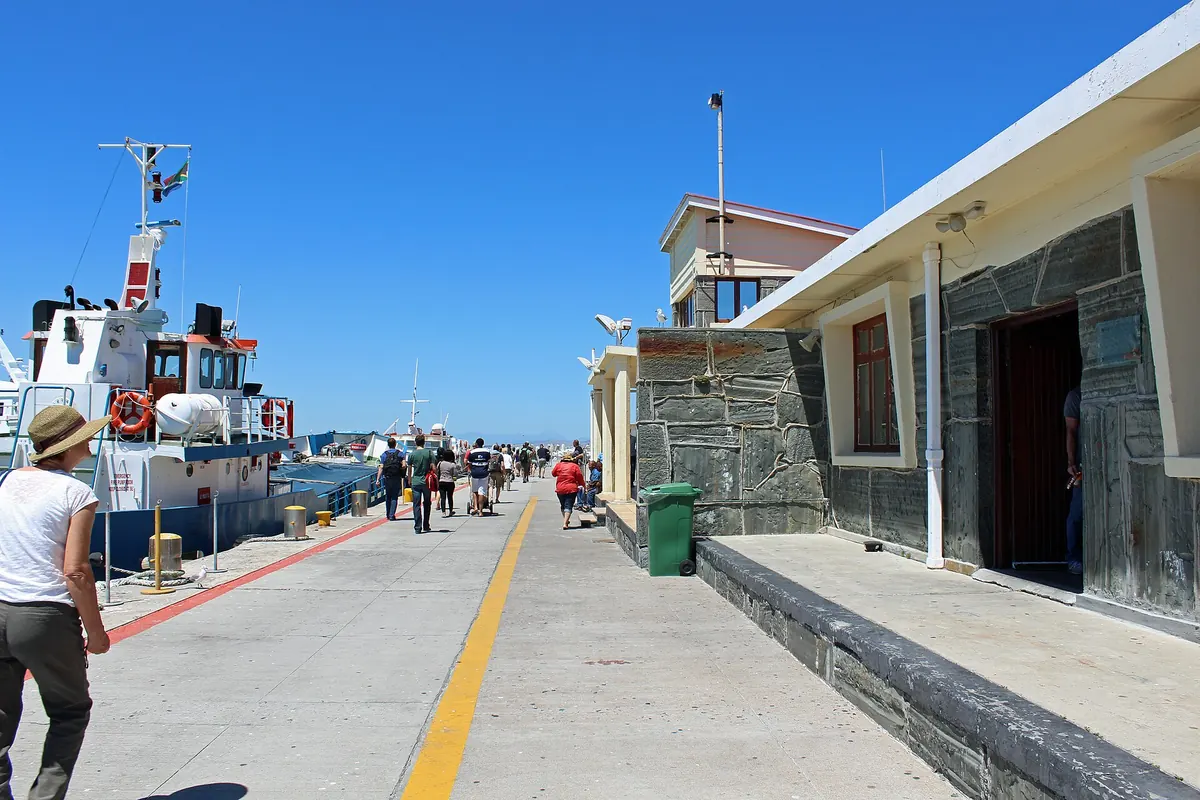
The prison was designed to isolate. The journey began at Jetty 1 in Cape Town harbour, where in the early years prisoners waiting for the boat were chained to the benches, because the zinc shed had no secure cells. Cape Town and Table Mountain are in sight across the bay, yet by the island harbour the prisoners themselves built a high wall that hides the view. Next to it you still see the 1960s buildings where family members and lawyers came for their rare visits.
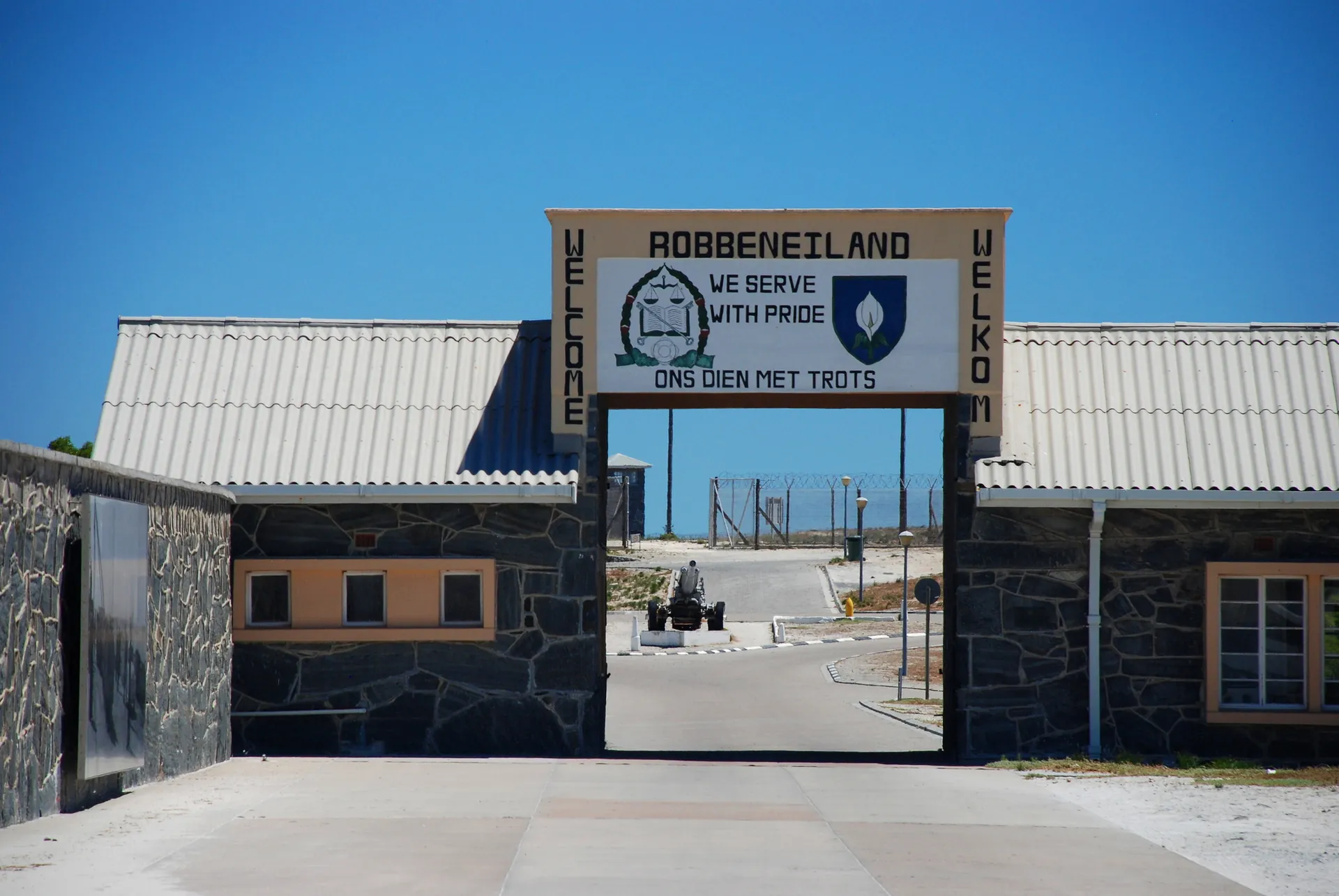
The prison entrance gate with its old sign: We serve with pride
What Robben Island was before it was a prison
The apartheid prison is only the last chapter. The island was used to hold people for more than three centuries before it, and the museum counts that whole history as one story of banishment.
The first convicts and the first political prisoners
According to the Robben Island Museum's page on the first prisoners of 1615 to 1657, the first prisoners sent to the island were ten English convicts in 1615. In 1657 slaves and exiles were sent to cut the white stone found there, and in May of the same year a slave woman called Eva, reportedly from Madagascar, became the first woman held on the island.
On 10 July 1658 the Dutch placed Autshumato, leader of the Khoikhoi group known as the Strandlopers, on the island together with two companions, Jan Cou and Boubo. The museum calls them the first political prisoners of Robben Island. Autshumato had been the go-between of Jan van Riebeeck's settlement and the Khoikhoi; the museum says he was sent to the island to stop dissent between the two sides.
Exiles from the East and the Xhosa leader Makhanda
In 1744 the first Muslim religious leaders arrived, sentenced by the courts of Batavia in the Dutch East Indies. The Moturu Kramat, the green-domed shrine you see near the prison, remembers another Muslim exile, Sayed Abdurahman Moturu, the Prince of Madura, who died on the island in 1754.
In 1819 the British governor Lord Charles Somerset sent the Xhosa leader Makhanda, also called Makana or Nxele, to Robben Island. He spent less than a year there before trying to escape, and he is said to have drowned in the attempt.
Leprosy, war and the gap of 1931 to 1960
From 1845 the island also took in people with leprosy, the poor and the mentally ill. The leper colony closed in 1931. During the Second World War the island became a fortified battery defending Cape Town. Between 1931 and 1960 it was not used as a prison at all, the only such period in its modern history. Read the full story, from 1488 to the museum, in our Robben Island history.
How the prison was built and laid out
The Ou Tronk, the old jail
Before the stone prison existed, prisoners were kept in the Ou Tronk, Afrikaans for "old jail". It began as five long wooden barracks from the Second World War, with a kitchen and washrooms, and held both common-law and political prisoners. In the 1960s eight plastered brick buildings were added as temporary accommodation. The men held there quarried, dug and cut the stone used to build the permanent prison.
Next to it stood the Zink Tronk, a large rectangular building of corrugated iron put up in the 1960s, with general cells, a library, washrooms and a clinic around a central courtyard and a guard post at each corner. It was later demolished.
The Maximum Security Prison
The Maximum Security Prison went up in the early 1960s, west of Murray's Bay Harbour. It was built by political and common-law prisoners, with stone and stone aggregate from the island's Jan van Riebeeck and Bluestone quarries.
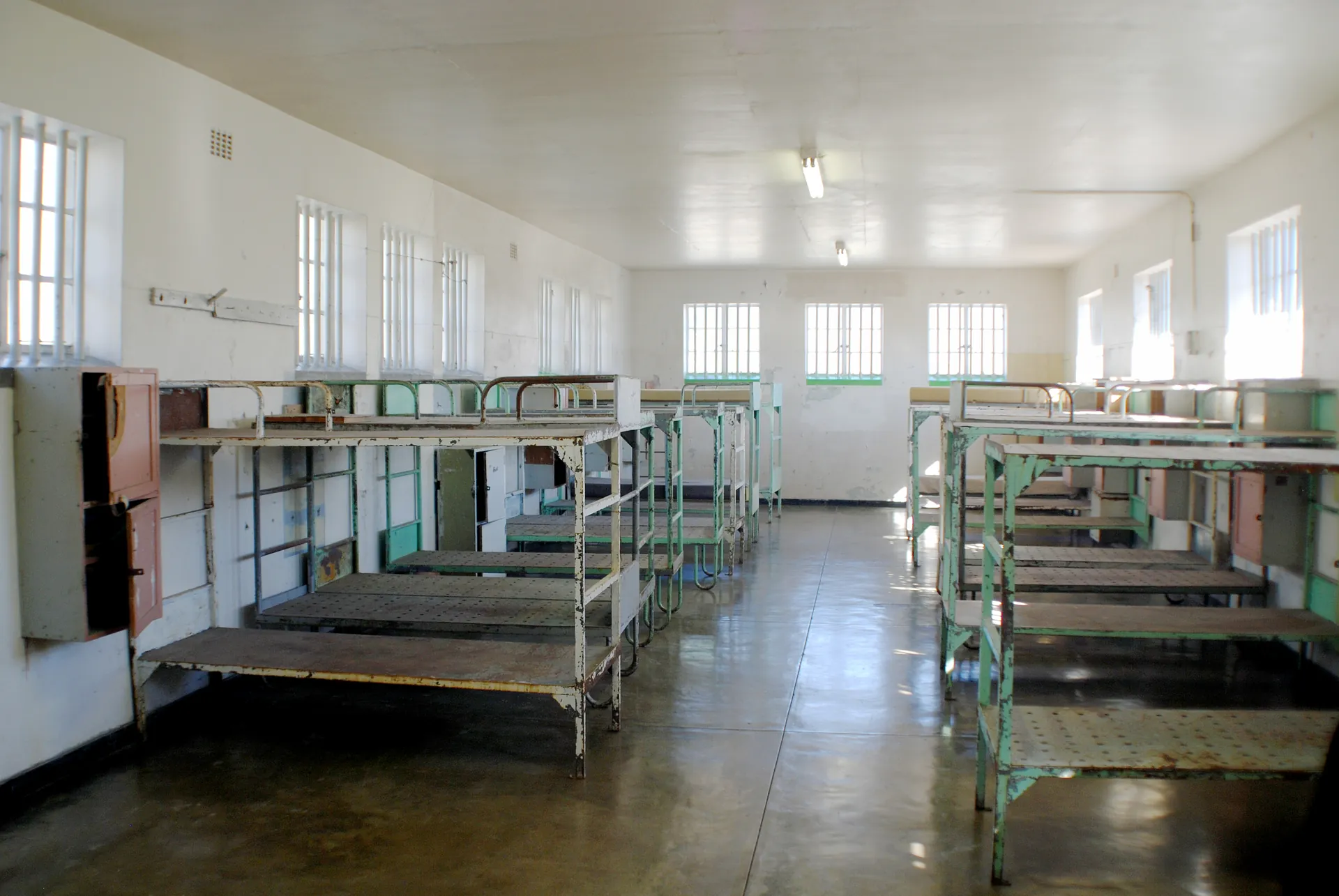
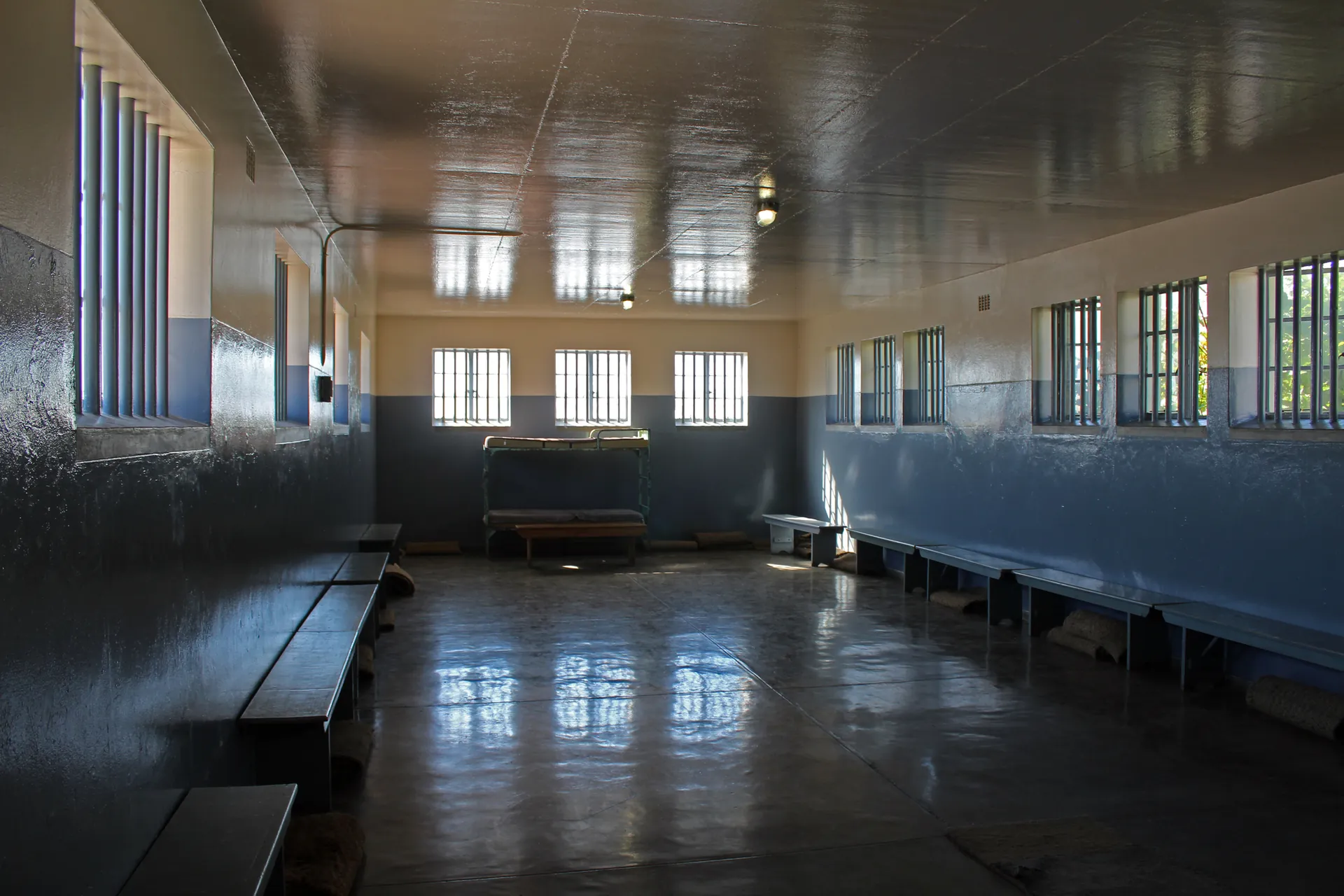
The plan was simple and harsh. Four H-shaped blocks held the general sections, with communal cells for 52 prisoners each. A U-shaped isolation block held about 90 single cells. Around them stood a hospital, an administration section, a kitchen and a dining hall, five watchtowers, a double fence five metres high and walls three metres high between the courtyards.
- 4General sections with cells for 52
- about 90Single cells in the isolation block
- 5Watchtowers
- 5 mHeight of the double fence
Sections A, B and C, and the general sections
The prison was split in two. Most political prisoners lived in the general sections, the H-shaped blocks of communal cells, which were known by letters such as F and G. A smaller number lived in the isolation block, in single cells. In the mid-1970s the isolation block was divided into three sections.
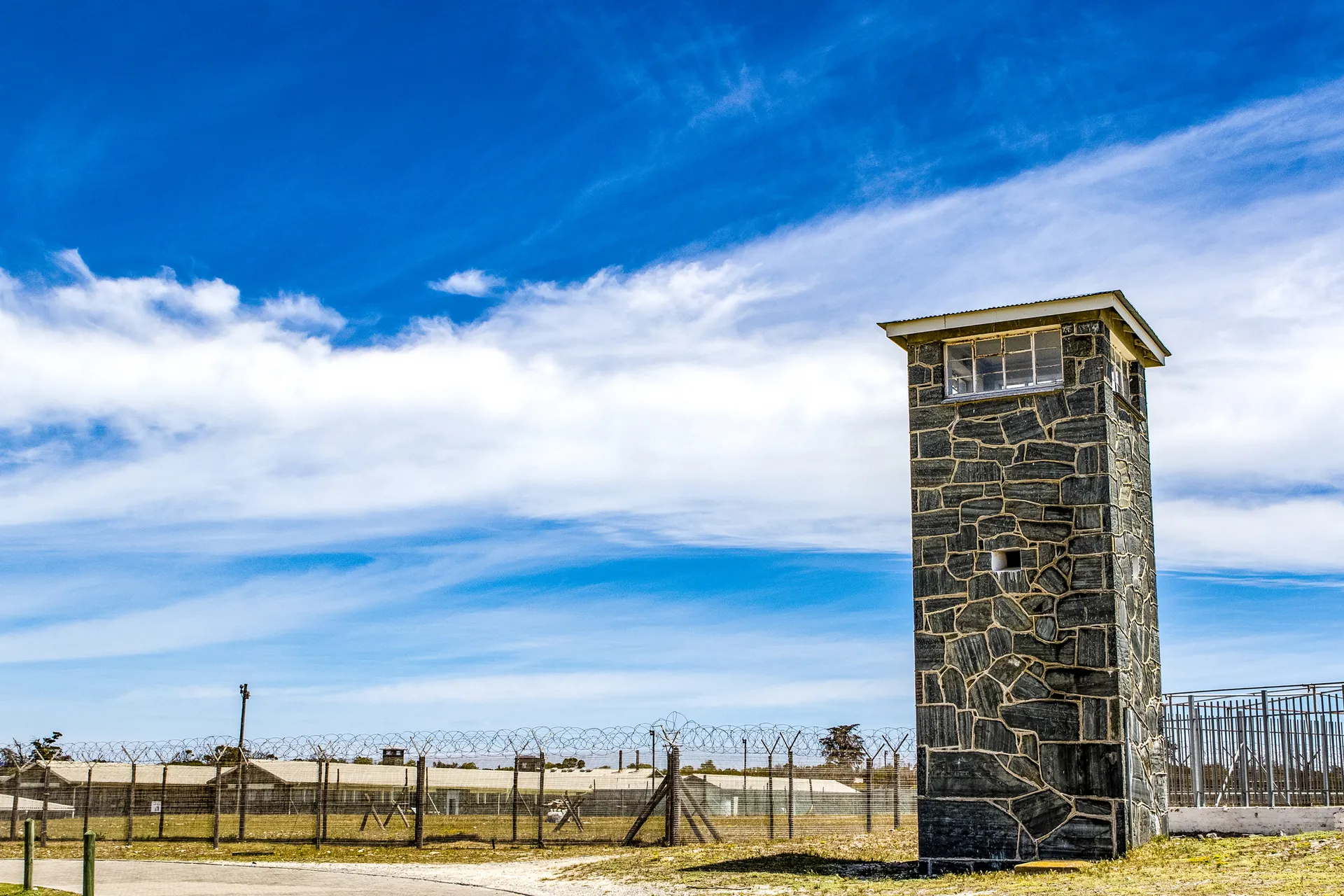
A stone guard tower beside the prison fence
A Section
A Section held young prisoners of the Black Consciousness Movement and of Umkhonto we Sizwe (MK), the armed wing of the ANC.
B Section, the Leadership Section
B Section, the east wing, was known as the Leadership Section. The leaders of the liberation movements were held here in single cells, Nelson Mandela among them from 1964 to 1982. The first draft of Mandela's autobiography, Long Walk to Freedom, was hidden in the B Section garden. This is the section where the museum tour ends. The story of Mandela's 18 years in this wing has its own page: Nelson Mandela on Robben Island.
C Section, "Khulukuthu"
C Section was the punishment section. The prisoners called it Khulukuthu, and it was used for solitary confinement and for punishment on a reduced diet.
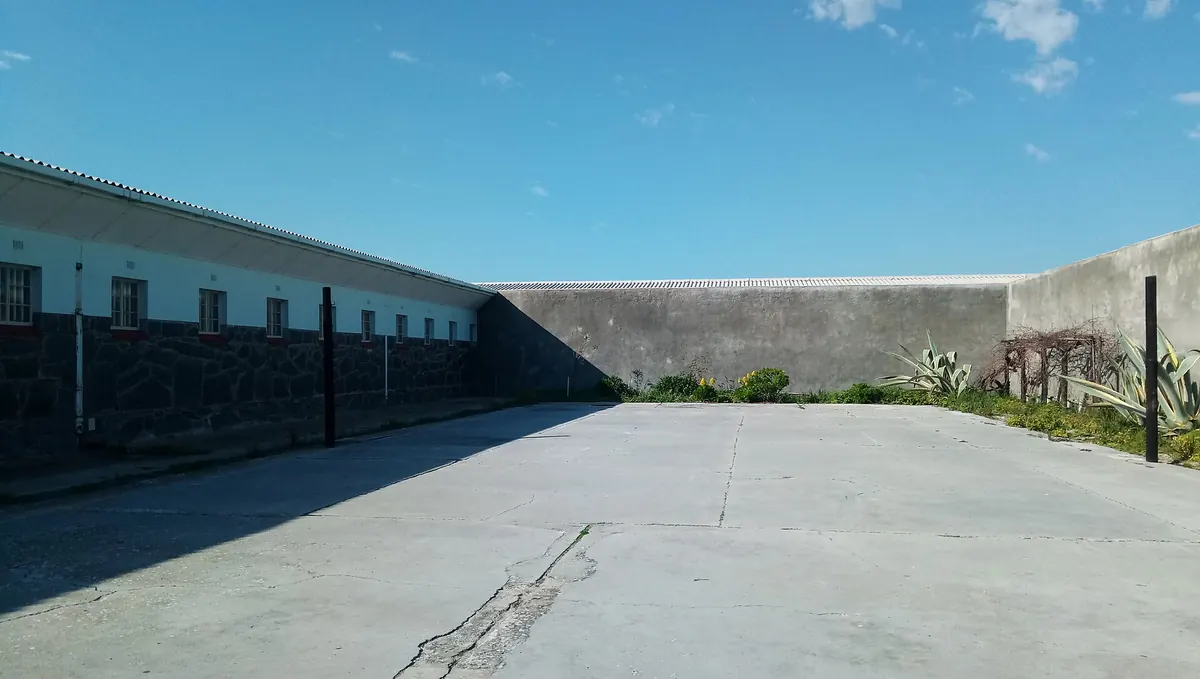
The B Section courtyard, where the leaders of the liberation movements were held
Daily life inside: work, study and news
Forced labour in the quarries
Political prisoners worked in the island's quarries. From 1963 prisoners of the general sections were sent to the Lime Quarry, inland from Murray's Bay Harbour. Later the B Section leaders took their place there, and the general sections were moved to the Bluestone Quarry. The lime was used mostly to resurface the island's roads. The Lime Quarry is one of the places on the tour bus route.
The walk to work was part of the control. The main path from the prison to the Bluestone Quarry was a narrow passage caged on the sides and on top, with guard dogs on either side; stumps of its posts can still be seen. At the Bluestone Quarry prisoners also built a dyke of stone, grit and sand to keep out the sea, which a storm breached in 2001. Hard labour ended in the mid-1970s, and the old Ou Tronk buildings became workshops where prisoners trained in building, plumbing and carpentry.
Study as resistance
Prisoners ran formal and informal classes for each other. Their literacy campaign set out to make sure that no man would leave the island unable to read or write, and according to the museum it wiped out illiteracy among the prisoners in four years. In 1973 two prisoners, Sonny Venkatrathnam and Kader Hassim, challenged the prison in court, arguing that study and recreation were rights, not privileges. They won.
Some books circulated under false covers. Sonny Venkatrathnam kept a copy of the Complete Works of Shakespeare disguised as a Hindu religious book, and it passed from hand to hand in the prison. Classes on biology, history and other subjects were even held in the quarries while the men worked.
Gardens, football and tennis
After a long struggle, prisoners won permission to plant gardens in some courtyards, including those of the isolation block, D Section and the prison hospital. A grapevine still grows in the hospital courtyard. Over time they also had four football fields and six tennis courts, two of them built by prisoners of A and B Sections. Football was organised by the prisoners themselves through their own Makana Football Association.
Getting the news
News from outside was forbidden to political prisoners. They collected news in secret and passed it around the prison, a network the museum lists among their forms of resistance, together with hunger strikes, petitions, political discussion and underground party structures.
Sharing what little there was
In the single cells, the non-African prisoners, who received more and better food, divided their rations equally with everyone, in direct violation of prison rules. Prisoners also ran a savings scheme around the "Kolgos box", collecting food and toiletries for the men who had least.
Prisoners built the walls that held them.
What Robben Island prison was like: food, clothes, letters and visits
The rules were written to humiliate as much as to confine, and they followed apartheid's racial categories even inside the prison.
Food by race
Food was scarce and poor, and it depended on your race. According to the museum, white prisoners received 4 ounces of mealie meal or mealie rice and 7 ounces of meat or fish a day. Coloured and Indian prisoners received 14 ounces of mealie meal or rice a day and 6 ounces of meat or fish four times a week. African prisoners received 12 ounces of mealie meal or rice a day and only 5 ounces of meat or fish four times a week. Warders often punished prisoners by taking away their meal "tickets", so they went hungry that day.
Clothes and beds
Clothing was minimal. African prisoners were given short trousers, and no prisoner was given underwear. There were no beds: men slept on thin mats on the cement floor until 1979. Every day prisoners had to strip and jump around to show they were hiding nothing, a search the warders called the "tauza".
Letters and visits
Letters were censored, with words blacked out or cut away. Visits took place in the Visitors Centre by the harbour, and they were non-contact: the prisoner sat on one side of a plate glass window, the visitor on the other, and they spoke through a sound system. From 1975 visits were restricted to first-degree relatives. Only from 1983 were Category A prisoners allowed contact visits, in small rooms at the same centre.
Study under restriction
When open physical abuse was no longer allowed, the authorities turned to pressure of another kind: interrupting study, censoring letters and visits, denying newspapers. In 1969 all postgraduate study was stopped and prisoners were banned from taking history, law or political science even at undergraduate level.
Punishment and isolation
Punishment meant C Section: solitary confinement and a reduced diet. Another punishment was the Landbou, a sandy site south-west of the prison near the Lime Quarry, where men were made to push loaded wheelbarrows aimlessly through soft sand while warders beat them. Conditions grew worse again under Colonel Badenhorst, the commanding officer from 1970 to 1972.
The most extreme isolation was not in the prison at all. Robert Sobukwe, founder of the Pan Africanist Congress, was kept from 1963 to 1969 in a small house away from the cells, a former Second World War building. He was not allowed to speak to anyone, not even to the guards, and his detention was extended every year by a special law that became known as the Sobukwe Clause. His house is on the tour bus route.
How conditions changed
Conditions did change, but because the prisoners forced them to. Between 1962 and 1966 the abuse was at its worst, with no sport or recreation at all; in 1966 about a thousand prisoners went on a mass hunger strike, and things slowly began to improve. The 1973 court case won by Venkatrathnam and Hassim, which also challenged solitary confinement without a hearing and the arbitrary withdrawal of meals, shifted the balance of power between prisoners and warders. The museum sums up the result: treatment "gradually became more humane", with the right to study, gardens, sport, and finally beds.
Famous Robben Island prisoners
Many of the men who passed through Robben Island went on to shape modern South Africa. Three of them became presidents of the country, and many more became ministers, provincial premiers or judges: our list of Robben Island prisoners who went on to govern names them one by one.
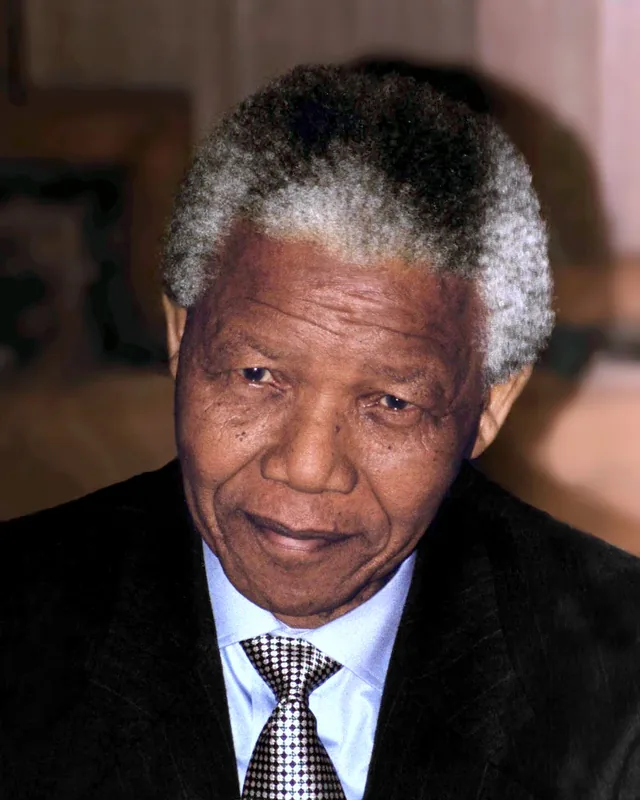 Nelson MandelaPrisoner 466/64, on the island 1964-1982
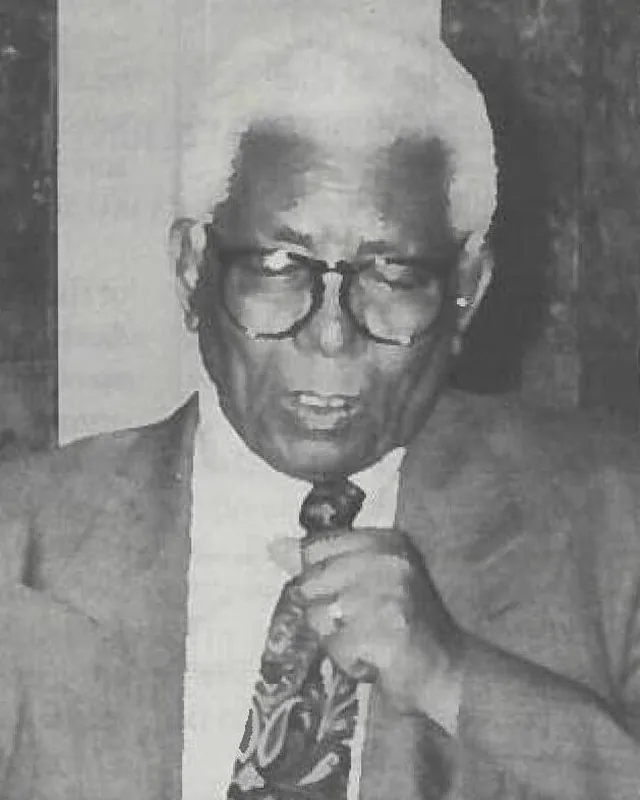 Walter SisuluRivonia trialist, on the island 1964-1982
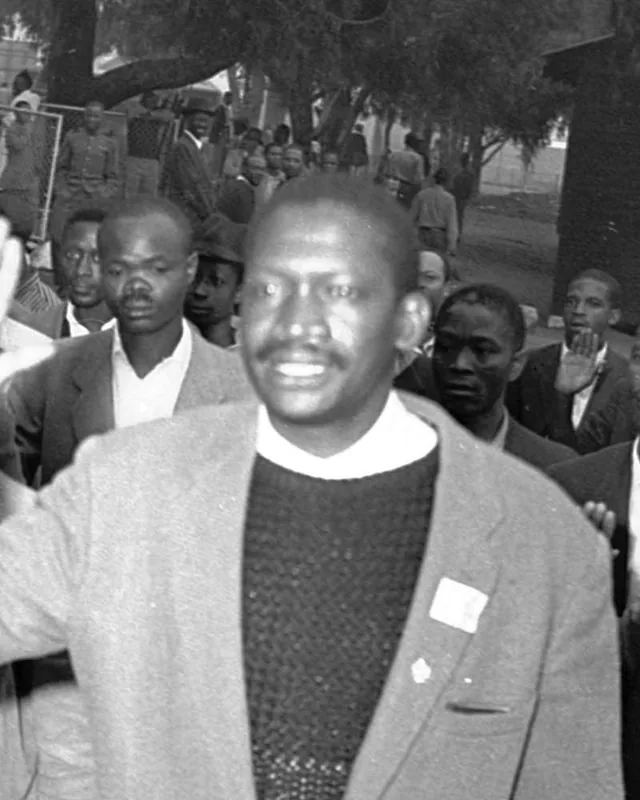 Robert SobukwePAC founder, held alone 1963-1969
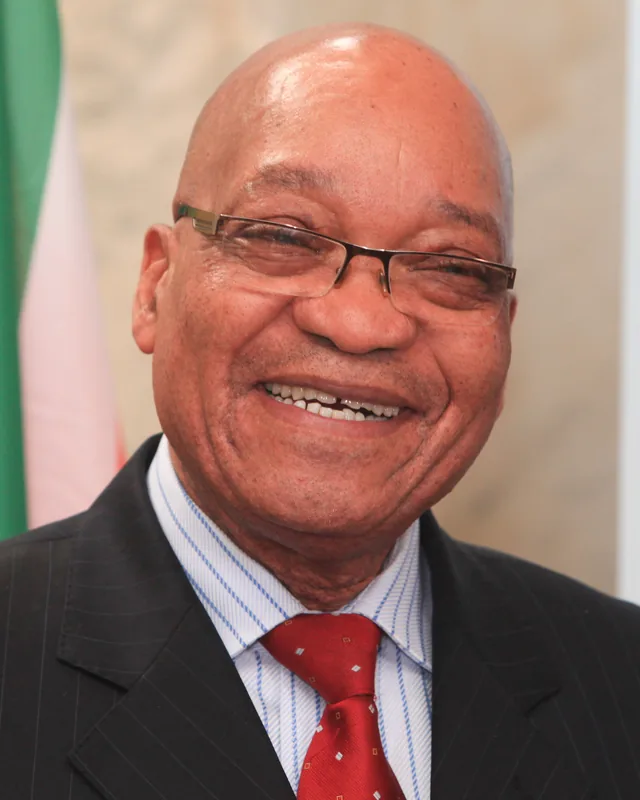 Jacob ZumaOn the island 1963-1973, president 2009-2018
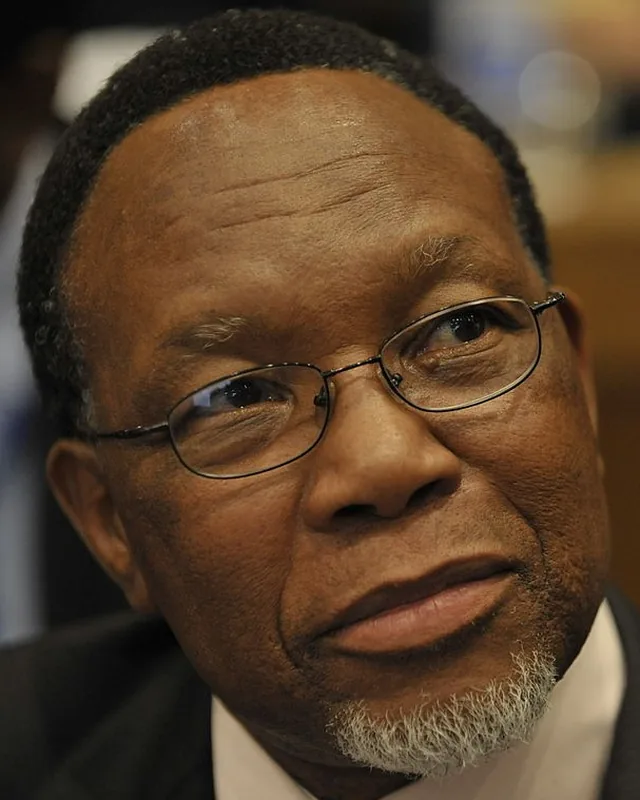 Kgalema MotlantheOn the island 1977-1987, president 2008-2009
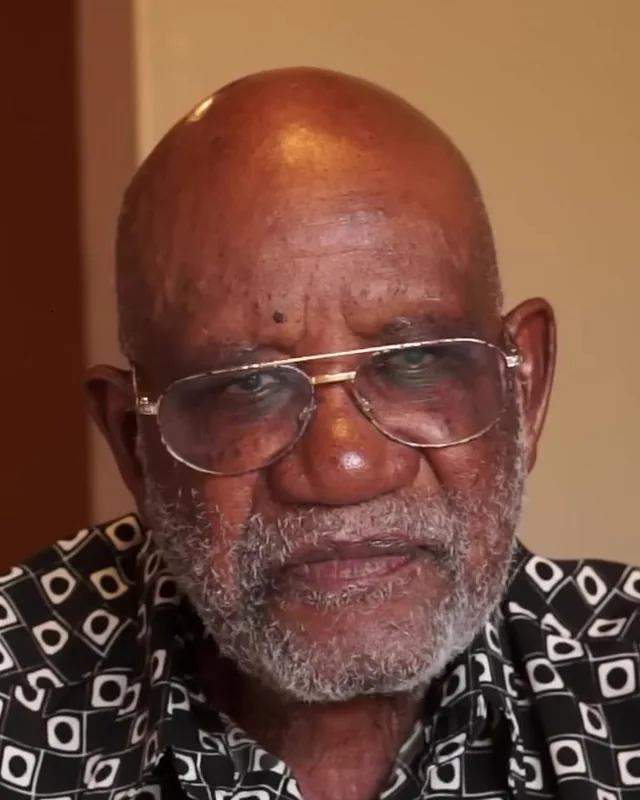 Herman Toivo ja ToivoSWAPO leader, released 29 February 1984
Nelson Mandela, prisoner 466/64
Mandela arrived on 13 June 1964, the night after he was sentenced to life imprisonment at the end of the Rivonia Trial, and stayed until 31 March 1982, when he was moved to Pollsmoor Prison on the mainland: 18 of his 27 years in prison. His number, 466/64, meant he was the 466th prisoner to arrive in 1964, as the Nelson Mandela Foundation recalls in its account of his arrival on the island. He had already been on the island once, for about two weeks in 1963. His cell, the Lime Quarry and the 1995 reunion are covered in full in Mandela's years on Robben Island.
Walter Sisulu, Ahmed Kathrada and the Rivonia trialists
Six men sentenced with Mandela arrived with him: Walter Sisulu, Ahmed Kathrada, Govan Mbeki, Raymond Mhlaba, Elias Motsoaledi and Andrew Mlangeni. The eighth, Denis Goldberg, was white and was sent to prison in Pretoria instead. Sisulu, Mhlaba and Mlangeni were moved to Pollsmoor with Mandela in 1982, and Kathrada followed them in October.
Robert Sobukwe
The founder of the Pan Africanist Congress was held alone in a house on the island from 1963 to 1969, forbidden to speak to anyone. His house is on the tour bus route.
Jacob Zuma and Kgalema Motlanthe
Two future presidents of South Africa. Zuma spent ten years on the island, from December 1963 to December 1973; Motlanthe another ten, from July 1977 to April 1987. Motlanthe was president from 2008 to 2009, Zuma from 2009 to 2018.
Herman Toivo ja Toivo and the Namibian prisoners
Robben Island also held Namibian prisoners of SWAPO, the movement fighting South Africa's occupation of Namibia. The first group, arrested in 1968 and sentenced to life, were held in the Zink Tronk, one of the unhealthiest buildings on the island, where some caught TB. Their leader, Toivo ja Toivo, was kept in B Section with Mandela; a 1977 museum photograph shows them gardening side by side during a rare press visit. Toivo was released on 29 February 1984, after 16 years of a 20-year sentence, and at first refused to leave without his comrades. The other Namibian prisoners followed in May 1984.
Before apartheid: Autshumato, Tuan Guru, Makhanda and Maqoma
The island's earlier prisoners included Autshumato, held by the Dutch from 1658; Tuan Guru, a prince from Tidore who became the first Chief Imam of the Cape, held from 1780 to 1793, where he wrote a book on Islamic law; the Xhosa leader Makhanda, sent there in 1819; and the Xhosa chief Maqoma, banished to the island with his wife Katyi for 21 years. The museum counts them all as part of the same long history of political imprisonment.
Put side by side, the years these men spent on the island show how long a sentence there could last.
- Maqoma, Xhosa chief21 years
- Nelson Mandela18 years (1964-1982)
- Tuan Guru13 years (1780-1793)
- Jacob Zuma10 years (1963-1973)
- Kgalema Motlanthe10 years (1977-1987)
- Robert Sobukwe6 years (1963-1969)
Sources: Robben Island Museum, Nelson Mandela Foundation, SA History Online. Mandela's total excludes his two weeks on the island in 1963.
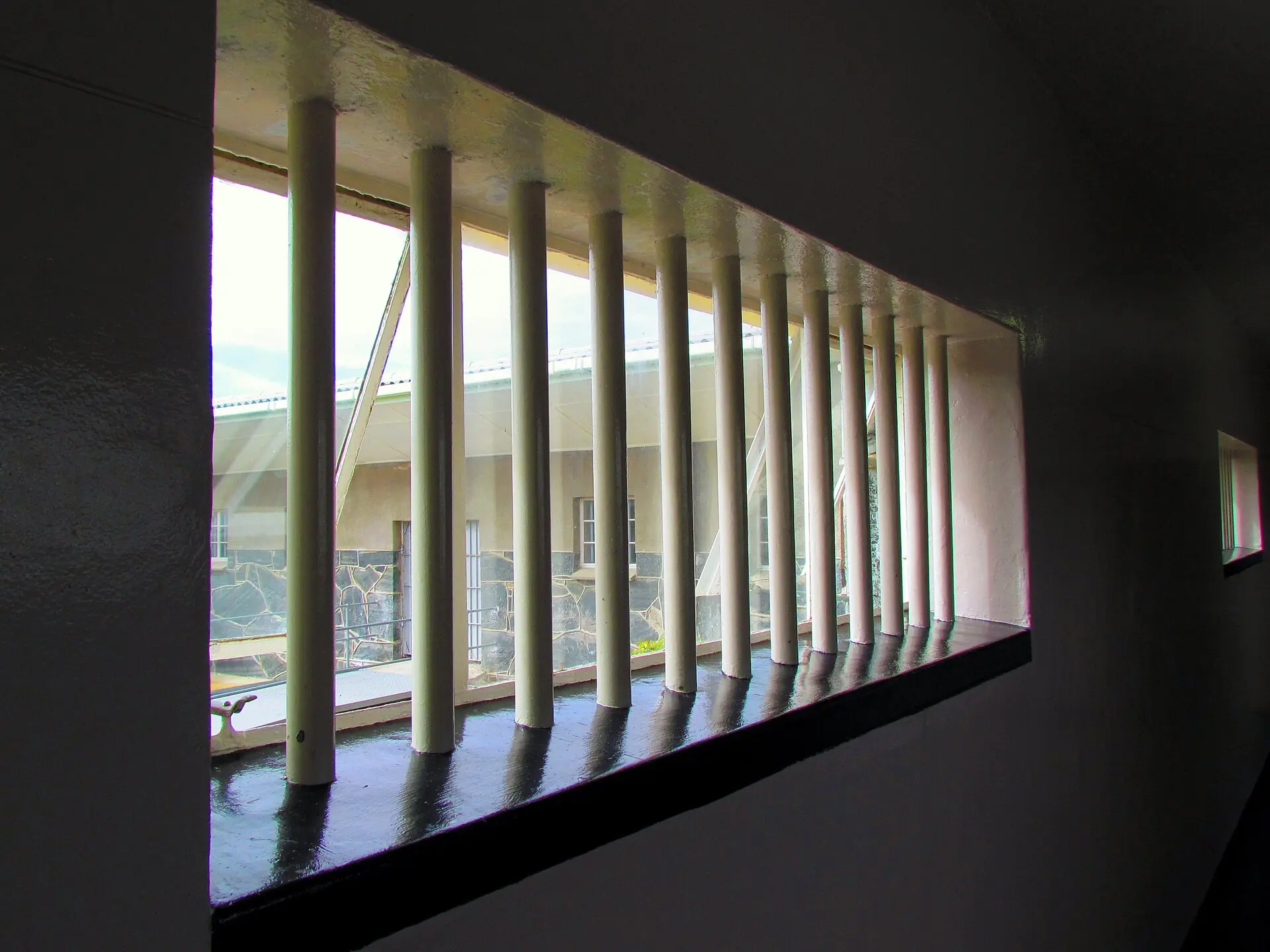
Light through the barred windows of the prison
Robben Island prison in twelve dates
- 1615
Ten English convicts are the first prisoners sent to the island.
- 1658
The Dutch imprison Autshumato, the first political prisoner.
- 1819
The British send the Xhosa leader Makhanda to the island.
- 1961
The apartheid government turns the island back into a prison.
- 1964
Nelson Mandela and the other Rivonia trialists arrive on 13 June.
- 1966
About a thousand prisoners go on a mass hunger strike.
- 1979
Beds replace the mats prisoners had slept on until then.
- 1982
On 31 March Mandela is moved to Pollsmoor Prison on the mainland.
- 1984
The Namibian political prisoners are released.
- 1991
In May the last political prisoners leave Robben Island.
- 1996
The prison for common-law prisoners closes.
- 1997
Robben Island becomes a museum; UNESCO lists it in 1999.
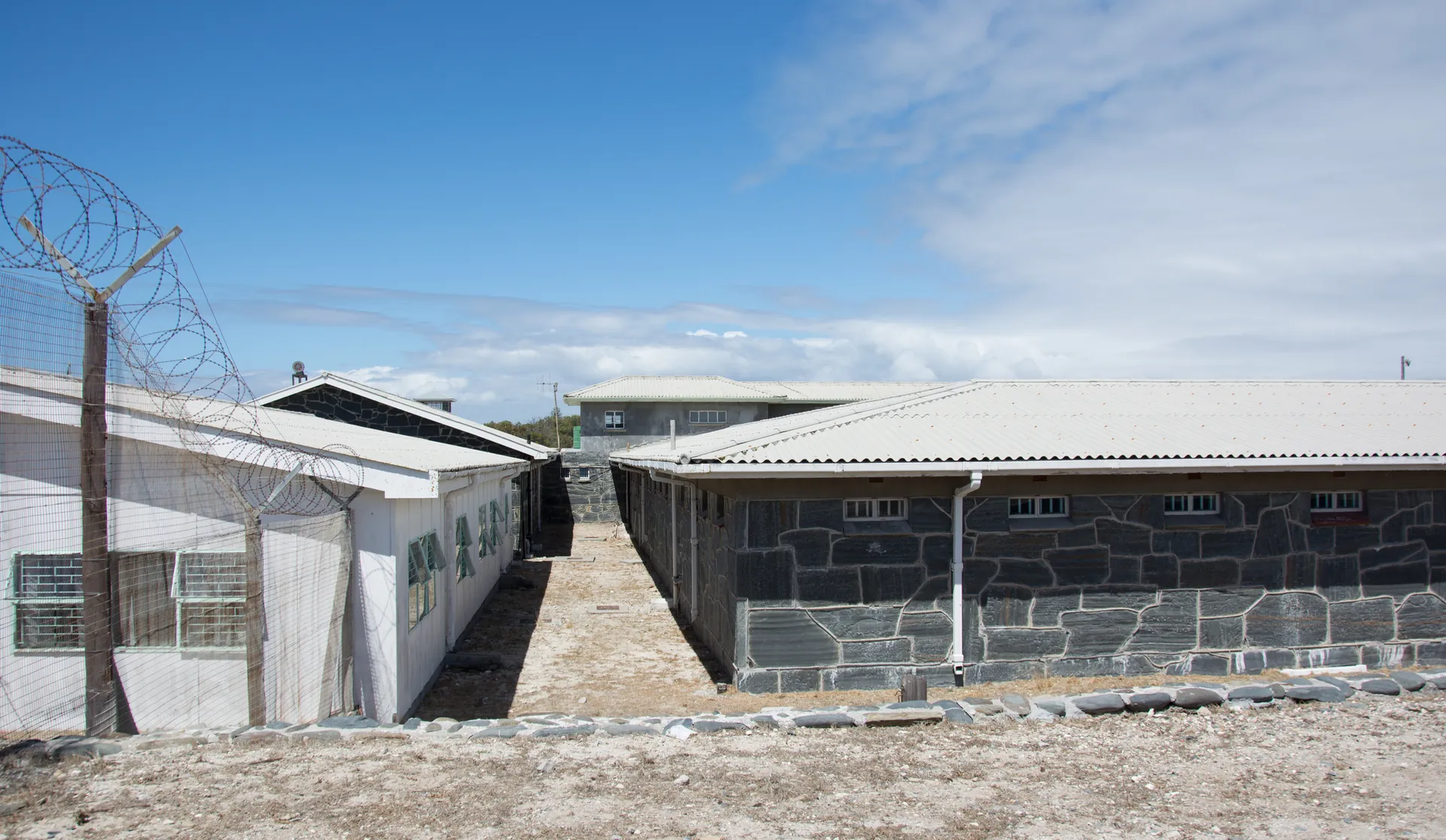
Cellblocks behind barbed wire: the island has held no prisoners since 1996
When did Robben Island prison close?
In two steps. The last political prisoners left Robben Island in May 1991, a little over a year after Mandela's release from Victor Verster Prison on 11 February 1990. The medium security prison for common-law prisoners stayed open until 1996.
In 1997 the island became the Robben Island Museum and a national monument. In 1999 UNESCO added it to the World Heritage List, the first site in South Africa to be put forward. Robben Island is no longer a prison, then: it has not held a prisoner since 1996.
The medium security prison
The medium security prison was the second, less famous half of the system: it held common-law prisoners, men convicted of ordinary crimes rather than for their politics. It outlived the political prison by five years. The building, on the northern edge of the village, dates from the Second World War and was used for common-law prisoners from the late 1960s, behind 3-metre walls topped with barbed wire. Today it is a learning centre with a lecture room, an art studio and accommodation. The museum tour is built around the Maximum Security Prison, so this is the one you walk through.
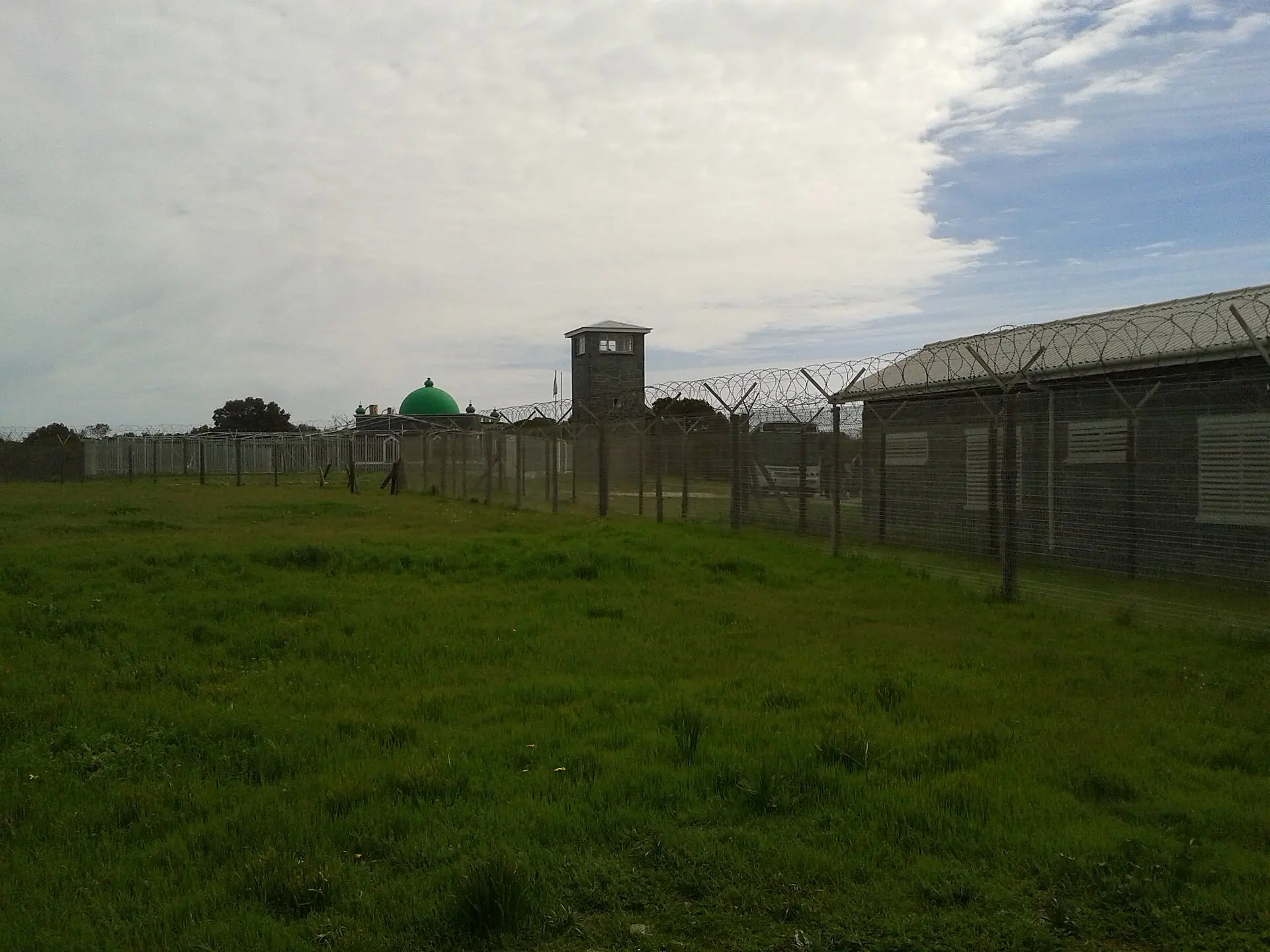
Barbed wire and a watchtower, with the Moturu Kramat dome behind
Visiting the prison today
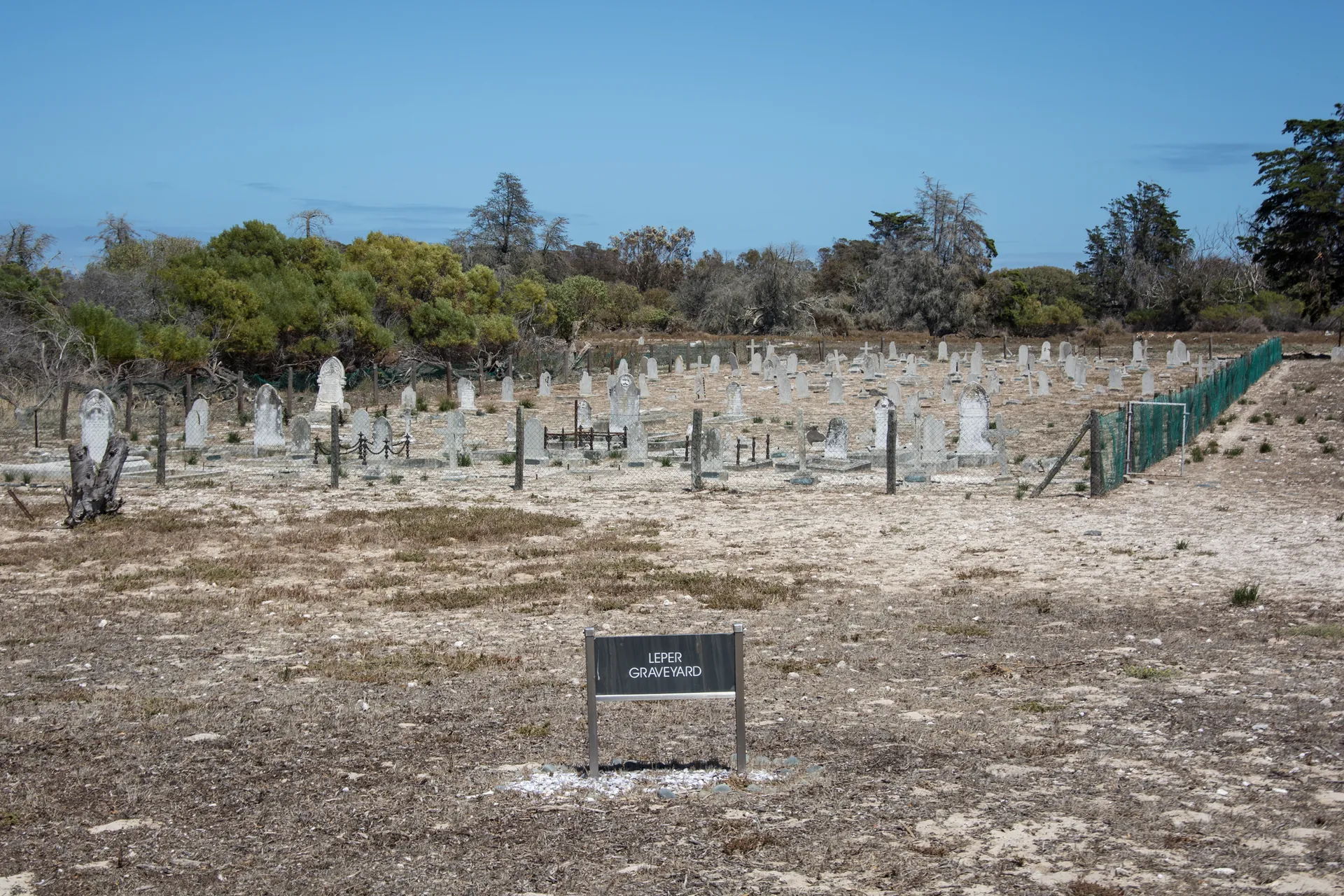
There is only one way in: the guided tour of the Robben Island Museum. The ferry leaves from the Nelson Mandela Gateway at the V&A Waterfront and docks at Murray's Bay Harbour, where buses take you around the island past the leper graveyard, the Lime Quarry, Robert Sobukwe's house and the Bluestone Quarry. The last part of the tour is on foot, inside the Maximum Security Prison, and it ends in B Section with a viewing of Mandela's cell. The whole visit takes about 3.5 to 4 hours, ferries included. Our guide to the Robben Island tour describes it stop by stop.
This is where the visit to the prison begins, on the mainland, in the Clock Tower Precinct of the Waterfront:
Nelson Mandela Gateway, where the ferry to the prison leaves
Open in Google MapsWho shows you around
Inside the prison the guide is often a former political prisoner, who describes the cells as someone who once lived in one. Not every group gets one, since these men are now elderly.
Tickets and times
From 1 September to 30 April ferries leave at 09:00, 11:00, 13:00 and 15:00; from 1 May to the end of August at 09:00, 11:00 and 13:00, weather permitting. You can book the ferry with the prison visit on Tiqets from €42.50, and the ticket reaches your phone within minutes; if your dates are uncertain, the flexible ticket at €65 can be cancelled or moved for free up to 24 hours before. The other ways to visit, from the tour with hotel transfer to full days in Cape Town, are on our Robben Island tickets page, and the crossing has its own Robben Island ferry guide. To see how Robben Island compares with Alcatraz, Eastern State and other former prisons, read our survey of prison museum ticket prices.
Because the tour runs to a fixed schedule, you can work out in advance when you will be back on the mainland:
When will I be back at the Waterfront?
Choose your ferry departure:
Pick a time to see when you will be back.
Estimate based on a visit of 3.5 to 4 hours. High-season departures, weather permitting.
Before you go
Bring a passport, ID or driving licence: you need it to board. Arrive at the Gateway at least 30 minutes before departure, because the gates close 10 minutes before the ferry leaves. Personal photos are allowed inside the prison, drones and tripods are not. If you want to understand the institution that looks after the prison today, and its other tours, read our page on the Robben Island Museum.
Robben Island prison: FAQ
Is Robben Island still a prison?
No. The last political prisoners left in May 1991 and the medium security prison for common-law prisoners closed in 1996. The island became a museum in 1997 and a UNESCO World Heritage Site in 1999.
When was the prison on Robben Island built?
The Maximum Security Prison was built in the early 1960s by political and common-law prisoners, with stone from the island's own quarries. Before it was finished, prisoners were held in older buildings such as the Ou Tronk, a group of wooden barracks from the Second World War.
Who was imprisoned on Robben Island?
Under apartheid, the men who led the fight against it: Nelson Mandela, Walter Sisulu, Ahmed Kathrada, Govan Mbeki, Robert Sobukwe, and future presidents Jacob Zuma and Kgalema Motlanthe. Centuries earlier the island had held Khoikhoi leader Autshumato, Xhosa leader Makhanda and Muslim religious leaders exiled from the East Indies.
Where is Robben Island prison?
On Robben Island, in Table Bay, about 11 km from Cape Town and just under 7 km off Bloubergstrand. The prison stands west of Murray's Bay Harbour, where the museum ferry docks.
Can you see Nelson Mandela's cell?
Yes. The standard tour ends in B Section with a viewing of the cell where Mandela slept from 1964 to 1982. The museum does not publish the cell number, so you may read different numbers in different guides.
Who guides the prison tour?
The prison part of the visit is often led by a former political prisoner. Not every group gets one: the men who were held here are now elderly, and some tours are guided by museum staff.
How were prisoners treated on Robben Island?
Harshly. They did forced labour in the quarries, African prisoners received less food and wore short trousers, no one was given underwear, they slept on mats on the floor until beds arrived in 1979, and faced solitary confinement and reduced diets in C Section. Conditions improved slowly, after a mass hunger strike in 1966, petitions and court challenges by the prisoners themselves.
How many political prisoners were held on Robben Island?
The Robben Island Museum's online exhibition gives more than 3,000 political prisoners between 1961 and 1991. They came from a wide range of liberation movements, and a new wave of young prisoners arrived after the Soweto uprising of June 1976.
Could prisoners on Robben Island receive visits?
Rarely, and without touching. Visits took place behind plate glass in the Visitors Centre by the harbour, through a sound system, and from 1975 only first-degree relatives could come. Contact visits for Category A prisoners began only in 1983.
How did prisoners on Robben Island get their news?
News was forbidden, so they gathered it in secret and passed it from section to section. The museum lists this clandestine news network among the forms of resistance in the prison, together with hunger strikes and political discussion.
How do I book a visit to Robben Island prison?
The prison is part of the standard Robben Island tour, with the ferry and the bus tour of the island. You can book the ferry and prison tour on Tiqets from €42.50, with the ticket on your phone in minutes.
Andrea SemonellaBorn and raised in Genoa, Italy. Co-founder of Benicool, which publishes independent guides to cultural sites. He has travelled to every continent and writes about how to visit them without wasting time or money.
Portraits of the famous prisoners, cropped and shown in black and white: Mandela, Kingkongphoto & www.celebrity-photos.com, 1994, CC BY-SA 2.0, via Wikimedia Commons; Sisulu, Commonwealth of Learning, 1991, CC BY-SA 4.0, via Wikimedia Commons; Sobukwe, unknown photographer, before 1960, public domain, via Wikimedia Commons; Zuma, Etienne Ansotte, 2012, CC BY 4.0, via Wikimedia Commons; Motlanthe, Jesse B. Awalt, 2009, public domain, via Wikimedia Commons; Toivo ja Toivo, Namibia Media Initiative, 2012, CC BY 3.0, via Wikimedia Commons.
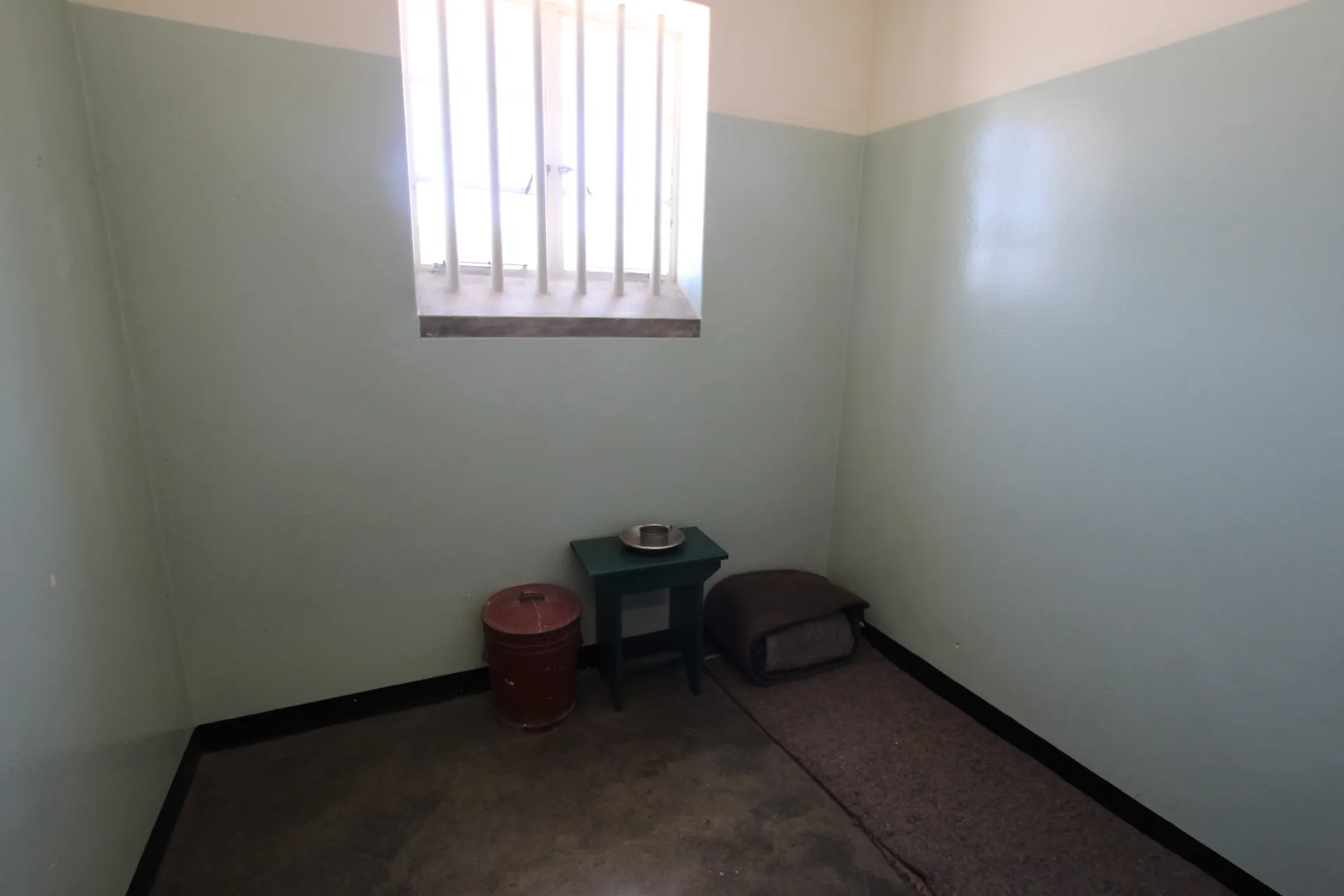 Nelson Mandela on Robben Island
 The Robben Island tour
 Robben Island history
.jpg)
.jpg)
.jpg)
.jpg)
